Donkeys, Pasture, Saint Martin-Laurence, Furic, Didr
©

Donkeys, Pasture, Saint Martin-Laurence, Furic, Didr

|

Laurence Furic DIDR

The donkeys in trousers of Île de Ré: an iconic part of the island’s heritage

Ajouter aux favoris

Among the most famous symbols of Île de Ré, the donkeys in trousers hold a special place. Behind this now-iconic silhouette lies a story deeply connected to rural life, the salt marshes, and the island’s traditions. Once used for agricultural work, donkeys played an essential role in everyday life and have left a lasting mark on both the landscape and the identity of the island. Although the famous trousers have now disappeared, their story continues to fascinate visitors exploring the heritage of Île de Ré.

Why is Île de Ré known as the Island of the donkeys in trousers?

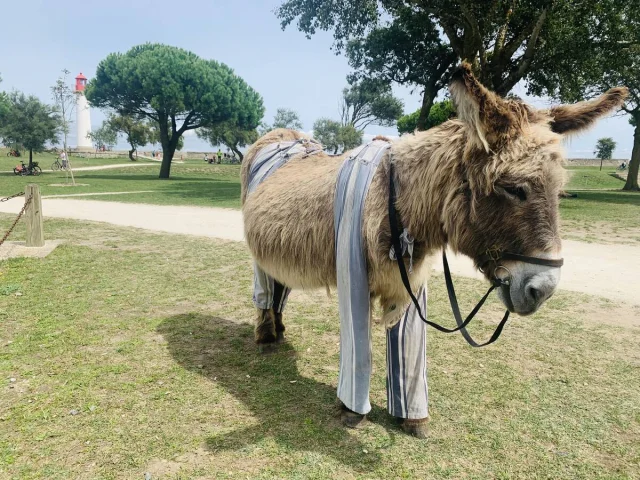
Île de Ré is often associated with its donkeys in trousers, which have become true symbols of the island. In the past, these animals helped local people with agricultural tasks in the salt marshes and vineyards, as well as many everyday activities. Their distinctive striped trousers, designed to protect them from mosquitoes and thorny vegetation in wetland areas, gradually became one of the island’s most recognisable emblems.

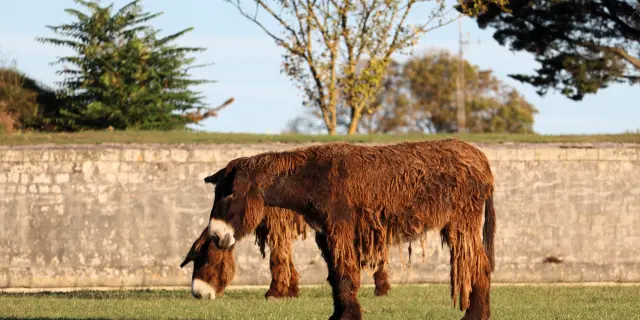
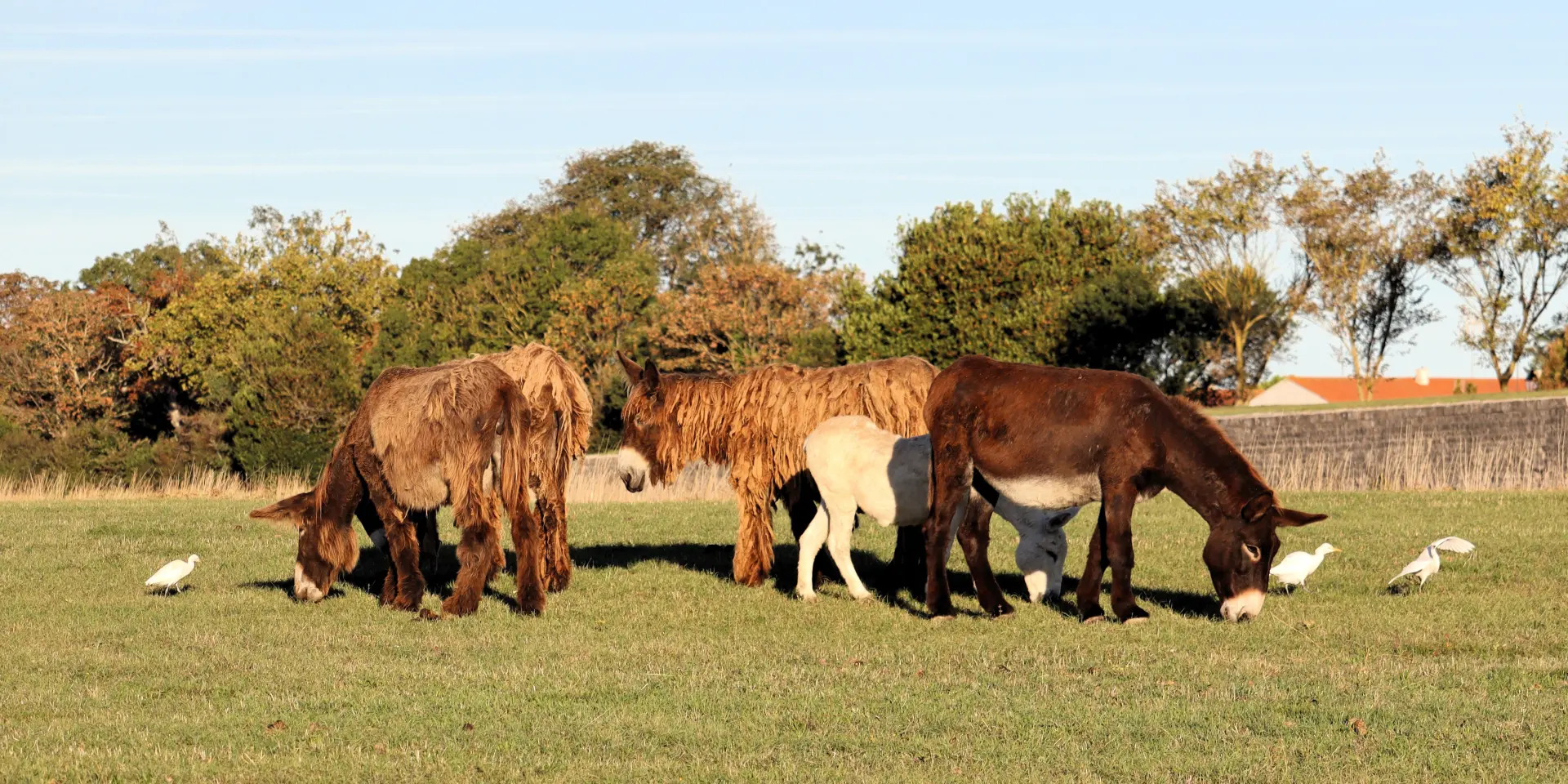
Today, donkeys in trousers are no longer a familiar sight across Île de Ré as they once were. However, the tradition remains very much alive in local memories, stories and the island’s cultural heritage. Visitors may occasionally spot a few donkeys near the ramparts and glacis of Saint-Martin-de-Ré, although they no longer wear their famous trousers.

Why did donkeys wear trousers on Île de Ré?

Contrary to what their reputation might suggest, the donkeys of Île de Ré did not wear trousers for decorative purposes.

This unusual outfit was created to meet a very practical need. In the past, donkeys accompanied local inhabitants in activities linked to salt production, vine growing, and many other daily tasks. Their work often took them into marshes and wetland areas where mosquitoes were particularly abundant. According to local tradition, a woman from Ars-en-Ré is said to have come up with the idea of using her husband’s old shirts and her old kitchen curtains to make a sort of trousers to protect her animals’ legs.

Protection against mosquitoes and injuries

The trousers helped protect donkeys from:

  • Mosquito bites, which were especially common in marshland areas;
  • Cuts and scratches caused by vegetation;
  •  hafing and minor injuries resulting from uneven terrain.

Over time, this practical piece of clothing became one of the most iconic images associated with Île de Ré.

The Poitou donkeys : who are they?

 An emblematic breed

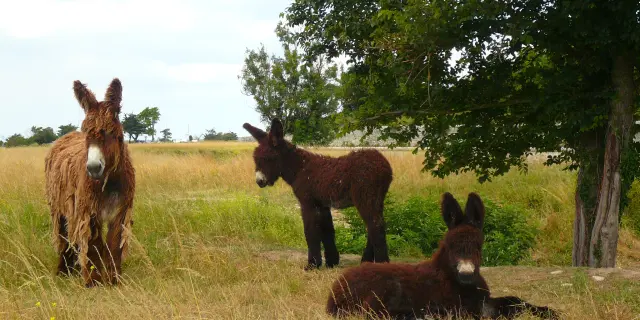
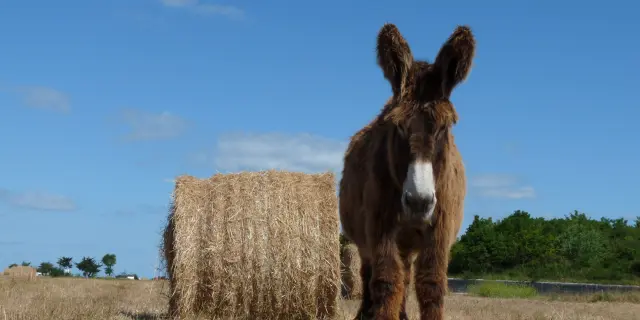
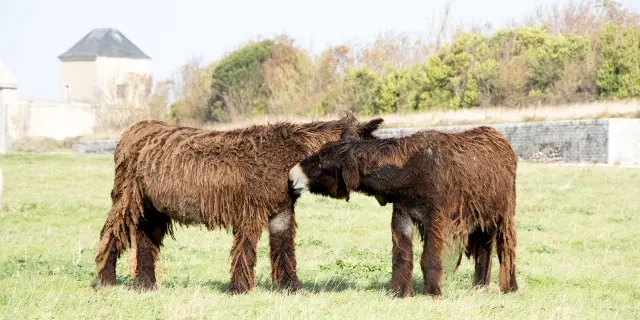
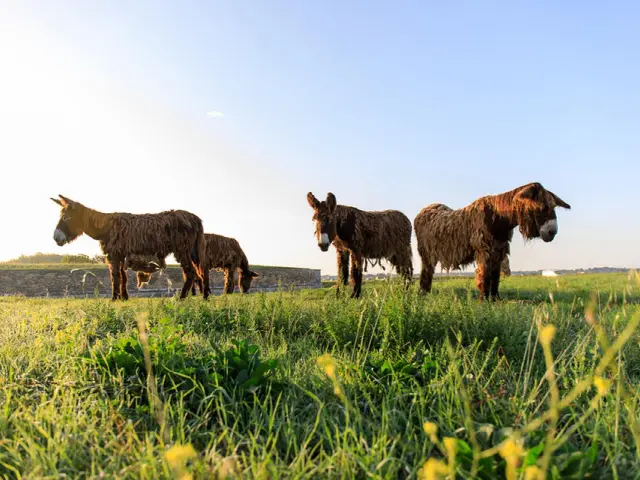
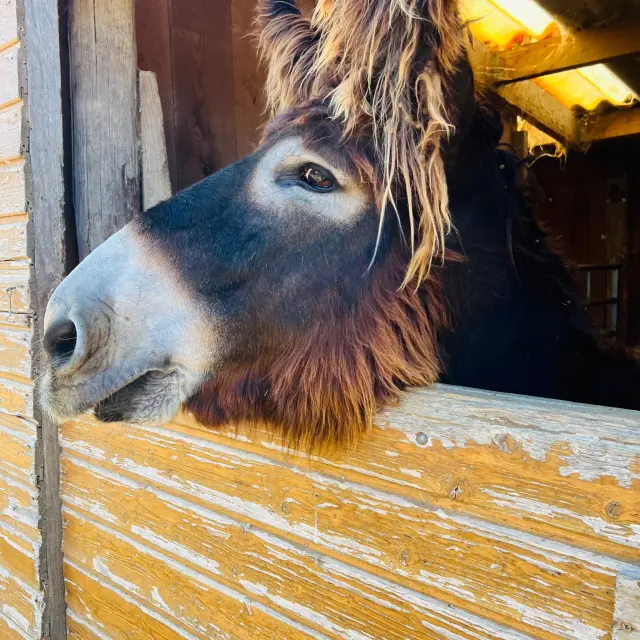
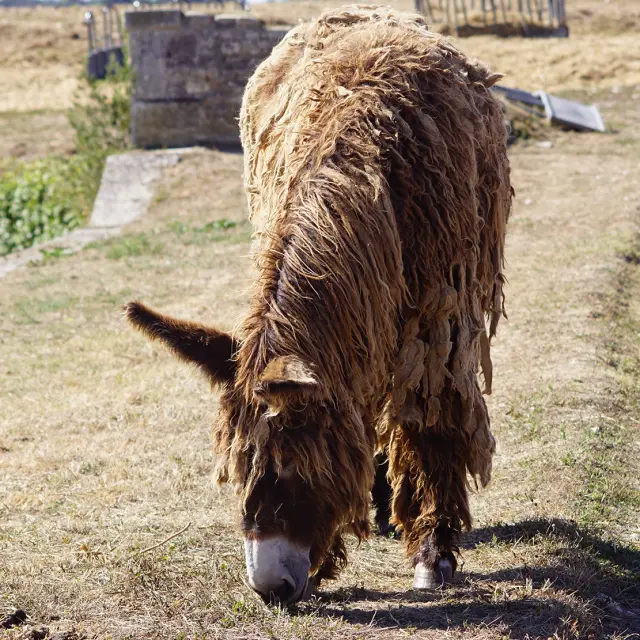
The donkeys traditionally associated with Île de Ré are the Poitou donkeys (Baudets du Poitou), easily recognised by their large stature and distinctive shaggy coat.

According to historians, the Poitou donkey first appeared in France as early as the 10th century. The breed enjoyed a period of great prosperity between the 17th and 19th centuries, when it was sought after in many countries for the production of strong and resilient mules. Crossing a Poitou donkey with a Poitevin draft mare produced mules renowned for their endurance, strength and adaptability, making them highly valued working animals.

A breed saved from extinction

With the arrival of agricultural mechanisation, demand for mules declined sharply. As a result, the number of Poitou donkeys fell dramatically, reaching a critical level. By 1977, only 44 individuals remained worldwide.

Thanks to a major conservation programme and the commitment of dedicated breeders, this exceptional breed has been saved from extinction. Today, the Poitou donkey continues to form an important part of the region’s living heritage and remains a treasured symbol of local history and traditions.

The swaying donkey: a legend of Île de Ré folklore

Like many islands, Île de Ré has its own collection of local tales and legends.

One of the island’s most famous stories tells of lanterns being hung around the necks of donkeys in order to deceive sailors travelling at night. The moving lights were said to have been mistaken for navigation beacons, causing ships to run aground along the coast.

According to the legend, the crews of these wrecked vessels were then robbed by islanders once they had reached the shore.

 A story with no historical evidence

Although firmly rooted in local folklore, the tale of the “swaying donkey” (l’âne qui tangue) has no historical basis. No shipwreck caused by this method has ever been recorded in the history of Île de Ré.

Nevertheless, this colourful story remains one of the most famous legends associated with the island and continues to form part of the rich cultural heritage and collective imagination of Île de Ré.

Can you still see donkeys in trousers on Île de Ré?

 A tradition that now belongs to the island’s heritage

Unfortunately, the famous donkeys in trousers are no longer a common sight on Île de Ré as they once were.

Visitors can no longer see donkeys wearing their iconic striped trousers in public spaces around the island. Nevertheless, this image remains one of the strongest symbols of the island’s heritage and agricultural history.

Today, the tradition lives on through memories, photographs, personal accounts and the efforts of local enthusiasts who continue to celebrate this unique aspect of Rétais culture.

Where can you see donkeys today?

 Although the famous trousers have disappeared, it is still sometimes possible to spot a few donkeys in the surroundings of Saint-Martin-de-Ré.

 You may occasionally see them:

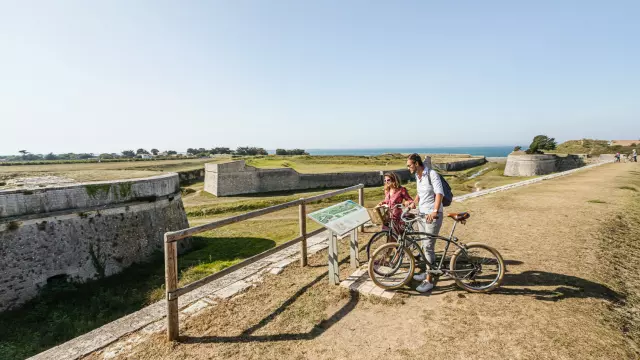
  • In the grassy glacis surrounding the Vauban fortifications;
  • In meadows at the foot of the ramparts;
  • While walking or cycling around Saint-Martin-de-Ré.

These areas are easily accessible via the island’s cycle paths and footpaths, particularly those leading towards the Porte de Thoiras, the Porte des Campani, and La Cible beach.

It should be noted, however, that their presence is not permanent. Spotting a donkey today is more likely to be a pleasant surprise during a stroll than part of an organised visitor experience.

 A new chapter in the story of donkeys on Île de Ré

While the historic activities associated with donkeys in trousers have gradually disappeared, the island’s connection with these animals continues in new ways.

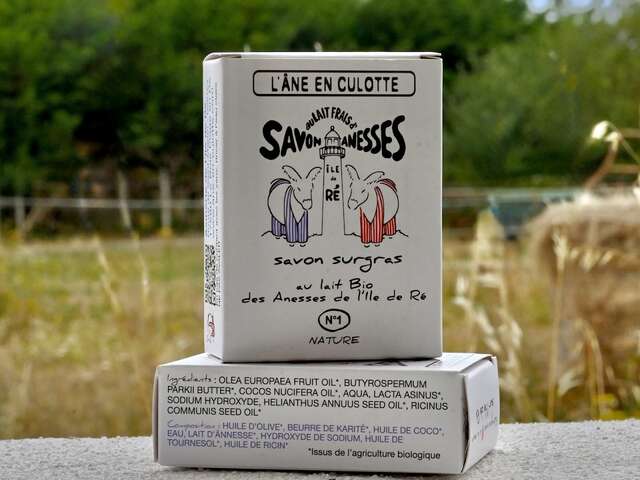
In particular, donkeys remain part of local life through the promotion of donkey milk and the artisanal production of soaps and skincare products. These initiatives reflect a desire to preserve this living heritage while supporting new local projects inspired by one of the island’s most enduring symbols.

Why should you never feed bread to donkeys?

If you come across a donkey during your stay on Île de Ré, it is important not to feed it.

The starch contained in bread is converted into glucose during digestion. This excess sugar can cause a range of health problems in donkeys and other equines, including a serious condition known as laminitis. Extremely painful, this disease can have severe consequences for an animal’s health and welfare.

To help protect their well-being, visitors are encouraged to observe donkeys from a respectful distance and avoid disturbing their natural environment. 

Extend the expérience : discover donkeys as a family

Donkeys in trousers have long captivated both children and adults. For visitors who would like to learn more after discovering their fascinating history, several activities on Île de Ré offer the opportunity to meet these remarkable animals and explore this unique local tradition.

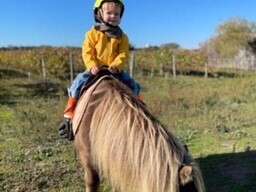
At Le Bois-Plage-en-Ré, L’Âne en Culotte Donkey Farm introduces visitors to the Poitou donkey and the world of donkey breeding. In Ars-en-Ré, donkey rides provide younger visitors with a memorable experience and a chance to spend time with one of the island’s most iconic animals.

These activities offer a different way to discover Île de Ré, combining local heritage, nature and enjoyable family moments, while helping to keep the story of the island’s famous donkeys alive for future generations.

In summary: a tradition that tells the story of Île de Ré

The story of the donkeys in trousers is a reminder of a time when salt marshes, vineyards and agricultural activities shaped everyday life in the villages of Île de Ré.

Although the famous striped trousers are no longer seen across the island today, donkeys remain an integral part of the local identity. Their story continues to reflect the close relationship between the island’s inhabitants, their natural environment and the traditions that have shaped Île de Ré over the centuries.

More than a simple local curiosity, the donkeys in trousers have become a lasting symbol of the island’s heritage, preserving the memory of its rural past and the ingenuity of the people who once lived and worked here. Today, they remain an enduring emblem of Île de Ré, celebrated by residents and visitors alike.

FAQ: The donkeys in trousers on the Île de Ré