©

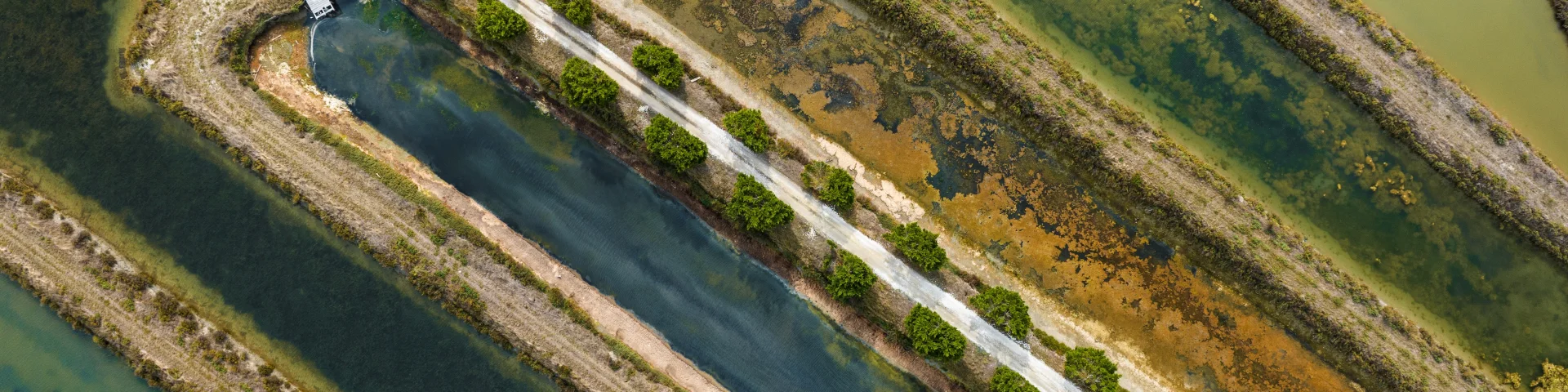
Marais Salant Fier Ars Ile De Re Edouard Salmon Skystudio

|

Edouard Salmon Skystudio

Salt marshes: a world thousands of years old

Ajouter aux favoris

Île de Ré is home to a unique natural and cultural treasure: its salt marshes. In the heart of these glistening expanses, the age-old tradition of salt-making has shaped the island’s landscape and identity for centuries, and lives on to this day.

   The origin of Île de Ré salt

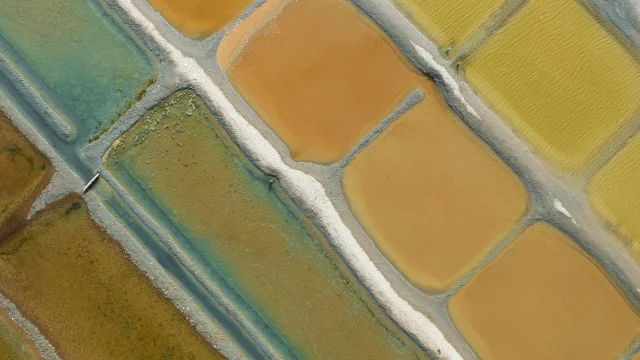
As you cycle through the marshes, you may be lucky enough to catch a glimpse of Île de Ré salt producers (sauniers) working in the salt crystallisation pans (aires sonnantes). These areas shape the island’s landscape and are an integral part of its charm.

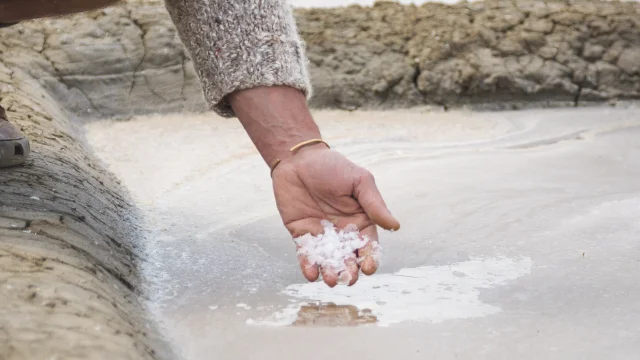
In the Île de Ré salt marshes, a crystalline treasure forms on the surface of the basins: fleur de sel. This fine layer of white crystals, meticulously harvested by the salt producers, is much more than a condiment; it embodies the very essence of the island’s tradition and know-how. Each grain is the fruit of handcrafted skill and a close relationship with nature.

Harvesting fleur de sel is a delicate process requiring patience, expertise and an acute awareness of nature. When weather conditions are favourable, a fine film of salt crystals forms on the surface of the salt ponds, creating the precious fleur de sel. Equipped with traditional tools, the salt producers harvest the delicate layer by hand, usually from early June to late September.
 

   An age-old link between people and nature

At the heart of this age-old activity are the salt producers (sauniers); men and women who keep the salt producing tradition alive with passion and know-how. Often, little is known about their work, which requires specific expertise and care, as salt production is subject to the unpredictability of climate and tides. Despite the challenges, salt producers continue their work, and are proud to pass on their expertise from generation to generation.

The Île de Ré salt marshes have a long history, dating back to antiquity. In the Middle Ages, Benedictine monks began exploiting the salt pans to produce salt, helping to drive the island’s economic development. Over the centuries, the activity has continued, becoming a true island tradition.

In addition to their economic and cultural value, the salt marshes on Île de Ré are also home to a rich ecosystem. They are a refuge for many species of migratory birds, which come here to find food and rest on their journeys. Furthermore, the salt producers are guardians of the marshes, ensuring that this fragile balance is preserved in harmony with nature.


   Did you know?

In 2023, Île de Ré salt and Île de Ré fleur de sel were designated PGI (Protected Geographical Indication), recognising the authenticity of the island’s salt and the expertise of its sauniers.