©

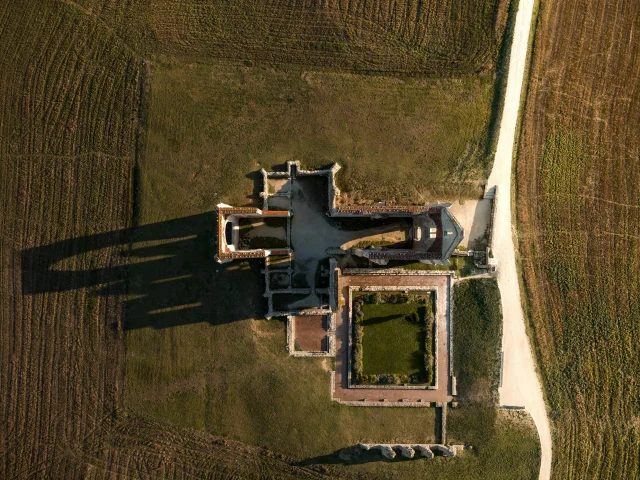
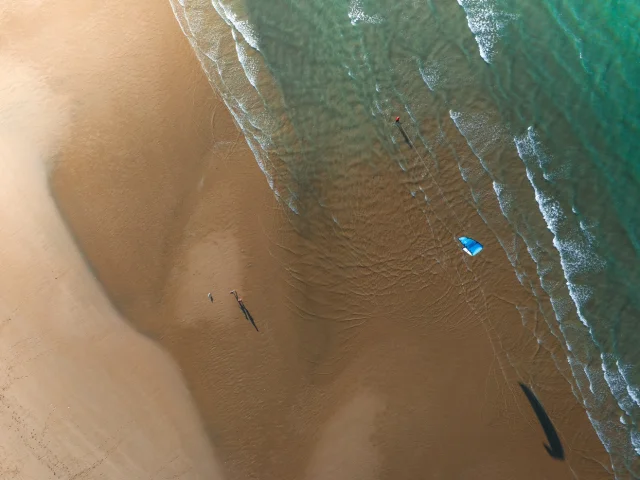
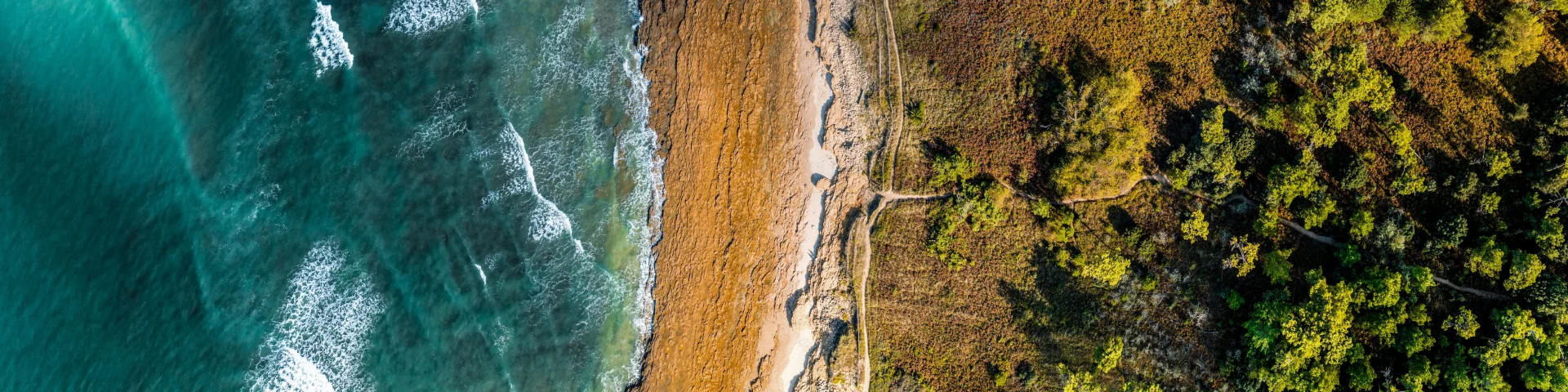
Vue Aerienne Entre Terre Mer Les Portes En Re Petit Bec Ile De Re Edouard Salmon Skystudio Copy

|

Edouard Salmon Skystudio

Île de Ré, an unspoilt natural setting

Ajouter aux favoris

A unique and fragile place to escape to

As a protected natural sanctuary, Île de Ré embodies the harmony between nature and people. Its spectacular coastal landscape and exceptional biodiversity mean that it is a place of great ecological and scenic value.

A haven of biodiversity and harmony with nature

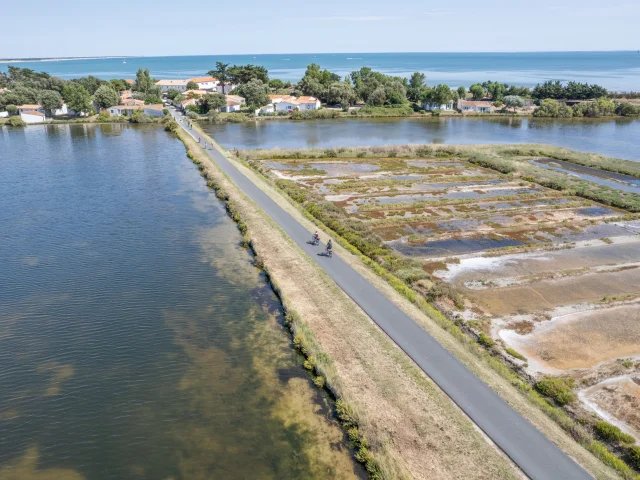
Located halfway down France’s Atlantic coast, Île de Ré stands out as an unspoilt natural gem, where pristine landscapes and exceptional biodiversity offer a tranquil refuge from the hustle and bustle of city life. Bordered by the Pertuis Breton (the stretch of water between Île de Ré and Vendée), on one side, and the Pertuis d’Antioche (the stretch of water between Île de Ré and Île d‘Oléron) on the other side, the island sits between two worlds: land and sea.

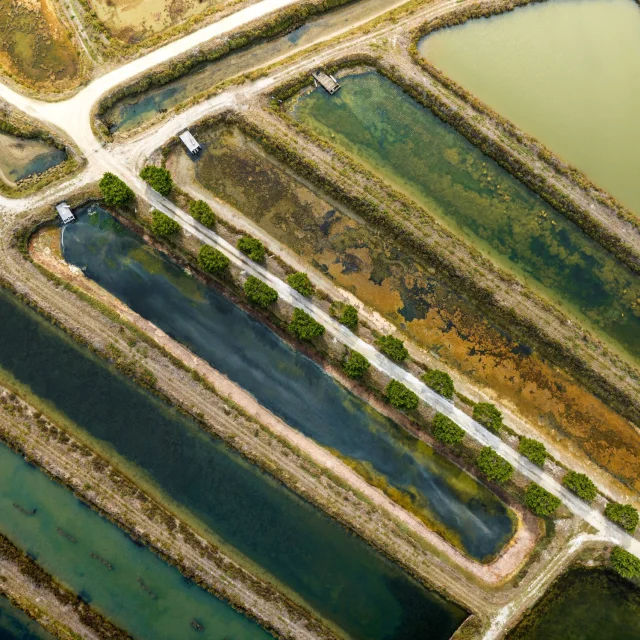
With its vast expanses of grass-covered sand dunes, fragrant maritime pine forests and the ever-changing colours of its salt marshes, the island offers contrasting landscapes accessible to all, and is a source of infinite and unexpected richness. It is a true paradise for nature lovers.

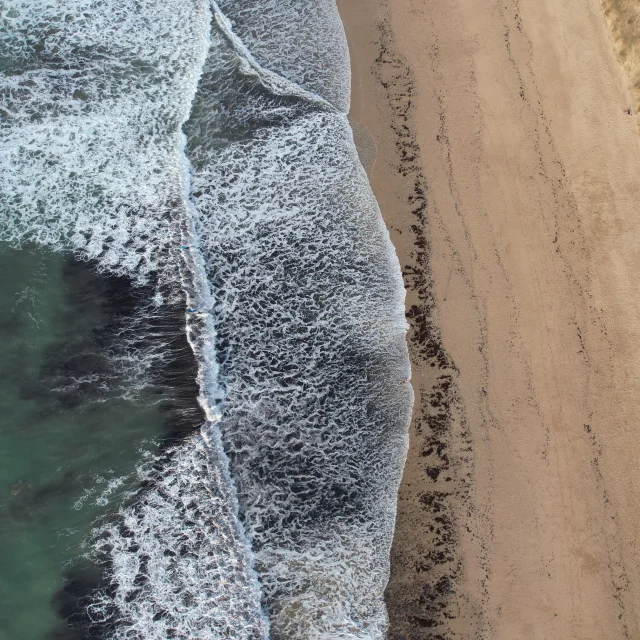
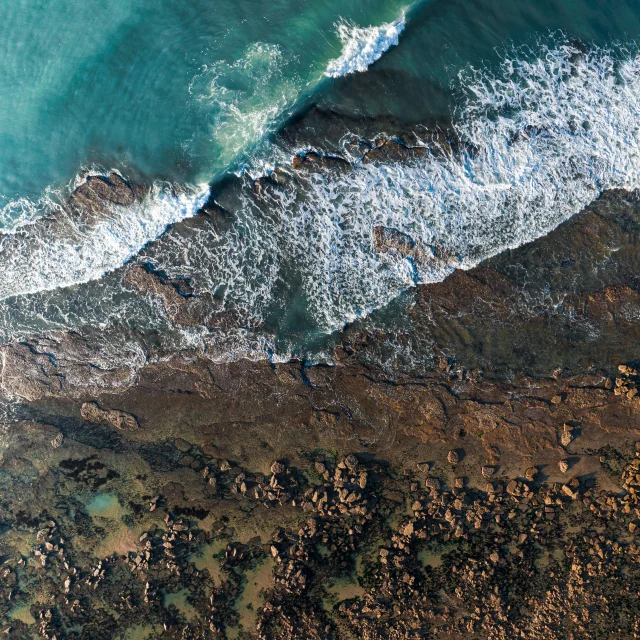
Covering 85 km², the island is home to an incredible diversity of flora and fauna. Along its coastline, rocky shores give way to fine sandy beaches, where the dunes are home to a multitude of plant species that have adapted to life in a coastal environment. The salt marshes have been shaped by centuries of salt production, and, today, they are sanctuaries for migratory birds and a variety of marine invertebrates.

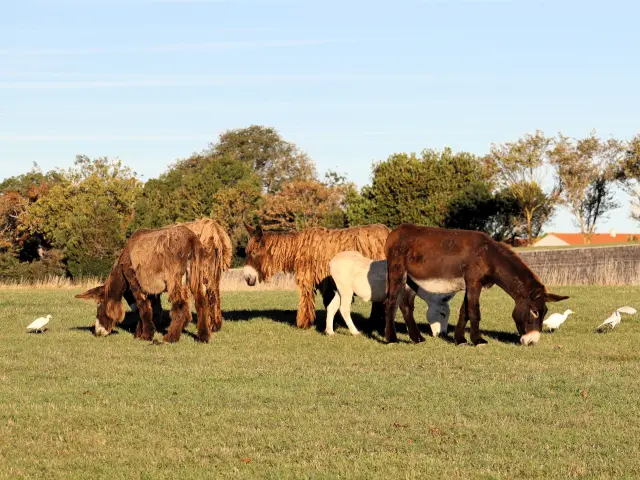
The island’s forests, mainly comprising maritime pines, provide a vital refuge for many animal species, including red squirrels, deer and a rich variety of woodland birds. These land ecosystems blend harmoniously with marine ecosystems, creating a precious ecological balance.
 

An island committed to conserving its natural environment

Responsible actors and local institutions demonstrate strong commitment to conserving the island’s natural environment. Conservation measures have been put in place to protect fragile habitats, regulate human activities and promote sustainable tourism.

Local authorities work closely with residents, environmental associations and scientists to develop ecologically responsible management policies. Sensitive natural areas have been designated as nature reserves, where human activities are restricted to protect local wildlife and plants. For visitors in search of tranquillity and natural beauty, Île de Ré offers a multitude of outdoor activities.

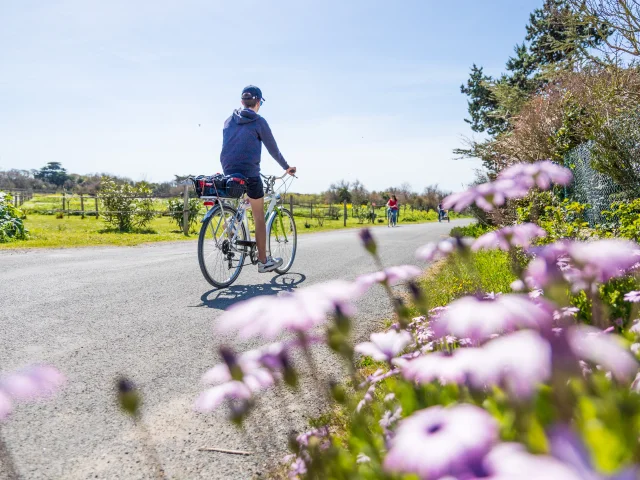
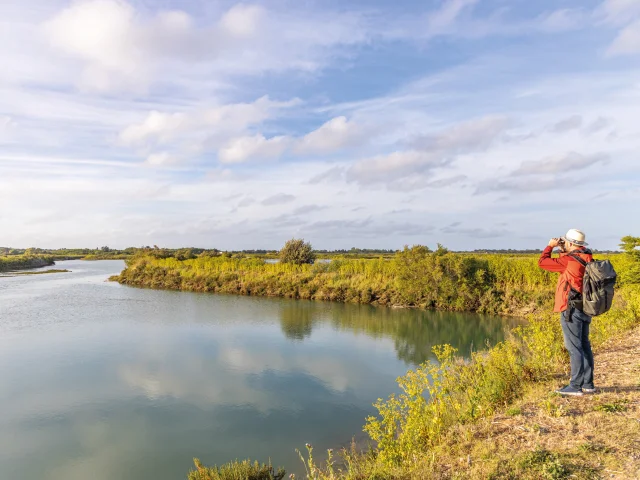
Designated hiking trails wind through picturesque landscapes, offering breathtaking views of the ocean and surrounding countryside. Birdwatchers can observe a variety of bird species in their natural habitat, while botany enthusiasts can discover a diversity of plants along coastal paths and salt marshes.

The landscapes of Île de Ré have evolved over the centuries and through historic, economic and climate-related events. This transformation has given rise to new flora and fauna. The island is rich in species that are rare, sometimes even unique in France, and which, today, make up the remarkable biodiversity of the natural areas of Île de Ré.

Île de Ré is part of the marine protected area Parc Naturel Marin de l’estuaire de la Gironde et de la mer des pertuis, created in April 2015. Its objectives are the protection, sustainable development and scientific understanding of this vast marine area.

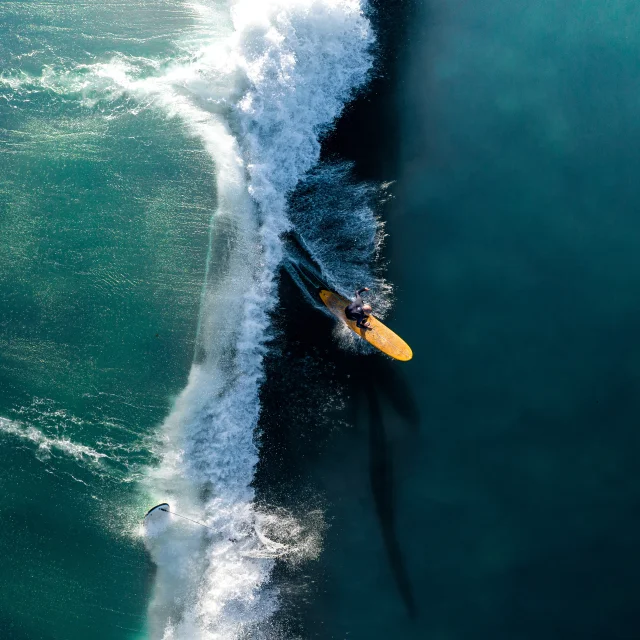
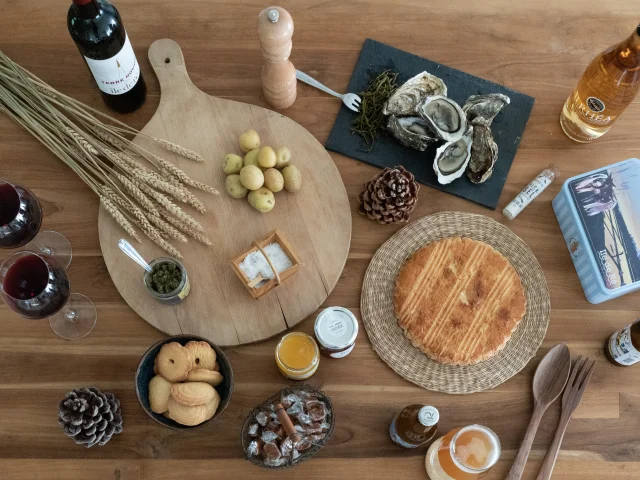
Much more than a picture postcard setting, the island offers a multi-sensory experience of nature, which can be explored, seen, listened to, smelled and even tasted. Visit all year round, alone or with friends and family, and enjoy unique, unforgettable experiences.

Discover best practice examples

Nature conservation on Île de Ré is of paramount importance to the sustainability of its unique ecosystems. By adopting responsible conservation practices and promoting sustainable tourism, we can ensure that Île de Ré remains a precious natural haven for generations to come, where the wild beauty of its coastline, forests and salt marshes will continue to inspire and delight all who visit.