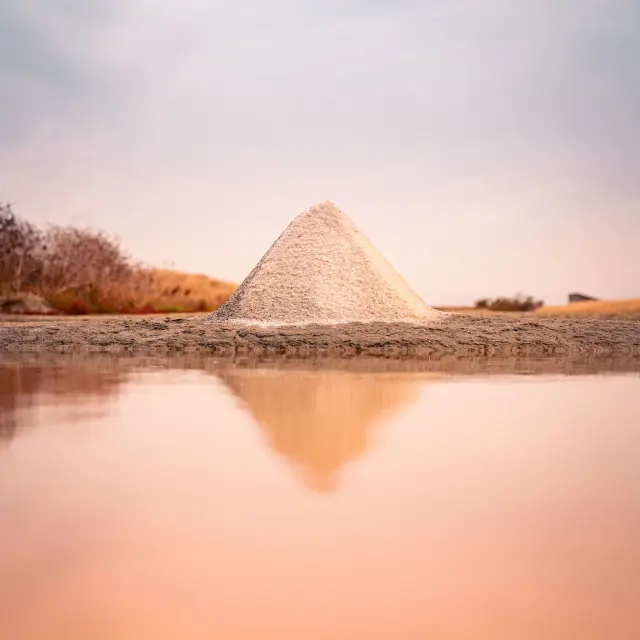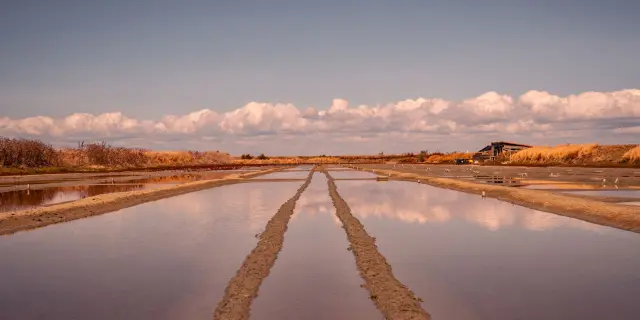
Salt marshes are landscapes that have been shaped by human activity for centuries to produce salt from seawater. Their origins date back to the Gallo-Roman period, around the 1st century. It was mainly along the French Atlantic coast that salt marshes subsequently developed. From the very beginning, this system relied solely on the natural energy of the sun and wind, making it a sustainable method ahead of its time.
In the Middle Ages, salt production became a major economic activity, essential for preserving food. Salt workers have passed down their traditional skills from generation to generation. Today, salt marshes represent a living heritage, often maintained using traditional and sustainable methods.
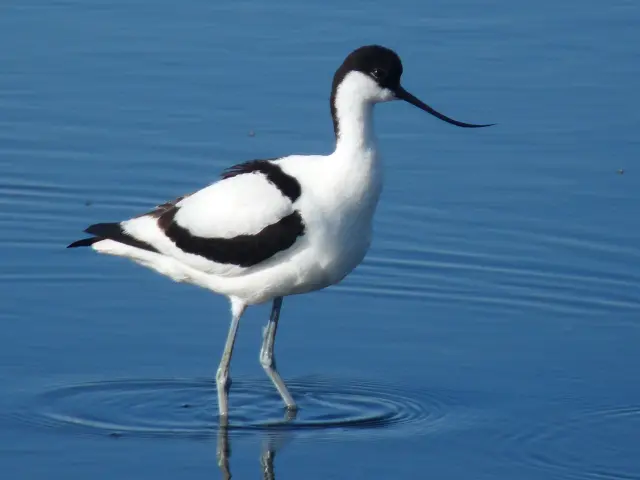
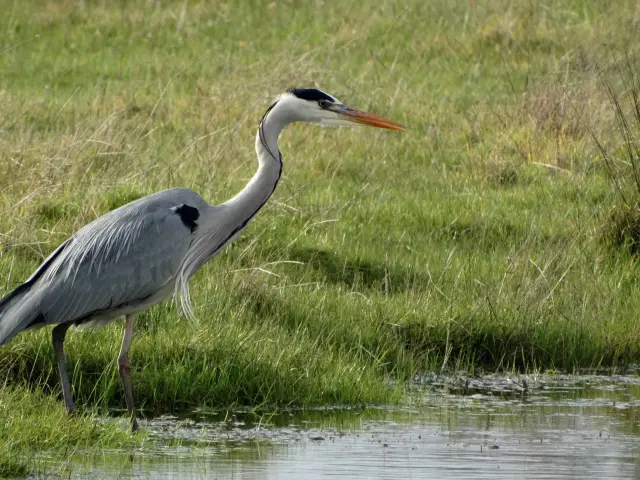
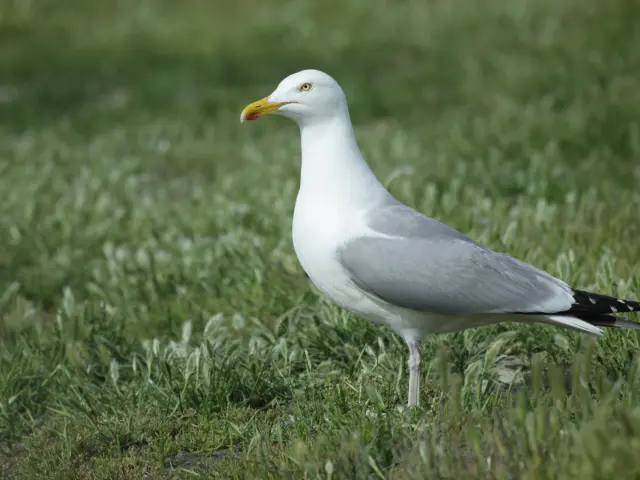
Today, salt marshes are not only places of production, but they are also protected natural areas rich in biodiversity. Salt harvesting here remains a manual and sustainable process, which gives traditional salt, such as coarse salt or “fleur de sel”, a quality and purity that are highly sought after.