©

IMG_20230616_094820

|

Camille Pinot - Destination Ile de Ré

Île de Ré: avoid the crowds and visit with peace of mind

Ajouter aux favoris
Understanding tourist numbers on the Ile de Ré

Every year, the Ile de Ré welcomes almost 3 million visitors, with a particularly strong summer season, but also a dynamic off-season. Thanks to its mild climate and numerous activities suitable for all times of the year, theThanks to its mild climate and a wide range of activities to suit all seasons, the island now attracts a varied clientele, from families to travellers in search of tranquillity and authenticity.

A number of iconic sites, such as the Conche des Baleines beaches, the Phare des Baleines lighthouse, the village of Saint-Martin-de-Ré and the Bois-Plage market, attract large numbers of visitors, especially in high season. The Phare des Baleines (Whale lighthouse) is monitored in real time on its Google page (peak times), so you can identify the quietest periods and adapt your visit accordingly.

For a stress-free visit to the island of Ré and to make the most of its landscapes, heritage and art of living, check out our tips for avoiding the crowds and exploring the island at your own pace.

When is the best time to go to the Ile de Ré?

Although summer remains the most popular time of year, the Île de Ré is banking on gentle, sustainable tourism to attract visitors out of season. Long weekends, school holidays and local events (Christmas markets, cultural festivals) all contribute to a more balanced visitor flow. The months of April, May, June and October are increasingly popular for their unique light and peaceful atmosphere.

To give you an idea, the Destination Ile de Ré Tourist Office welcomes around 92% of its visitors between April and October (including 41.5% in July and August) and 8% of visitors during the so-called “low season” between November and March.
When should you visit the Ile de Ré?

Summer: bustle and lively beaches

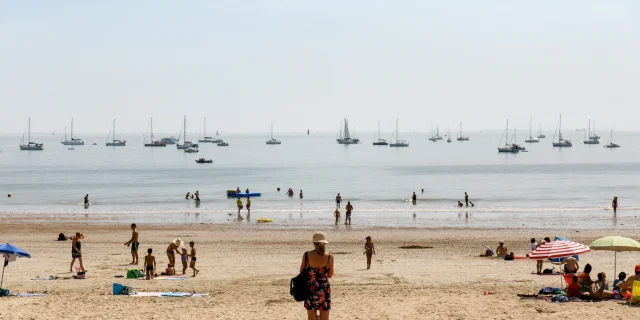
July and August are the busiest months, with a peak around 15 August. Beaches, cycle paths and villages come alive, and it’s advisable to book accommodation and activities several months in advance. This is also the ideal time to take advantage of the night markets, open-air concerts and children’s entertainment, but it’s best to visit in the morning or at the end of the day to avoid the crowds.

Spring and autumn: calm and serenity

From May to June and September to October, the island takes on a calmer aspect. Temperatures are mild, the landscapes take on changing colours, and cultural activities (lighthouse visits, marsh walks) are more accessible. It’s also the ideal season for cyclists and walkers, who can enjoy the trails without the summer crowds.

Winter: the secret and authentic island

From November to March, the Île de Ré reveals its most unspoilt soul. The locals take back possession of the island, and visitors can discover an authentic and intimate island. Christmas markets, winter walks along deserted beaches and tastings of local produce (oysters, pineau) are all unique experiences.

Advice from Destination Ile de Ré

To make the most of your stay while respecting the balance of the island, the tourist office recommends that you spread your visit over different periods of the year. By favouring the months of April, May (excluding bank holidays), June, September or October, you’ll benefit from a longer visit window and a more authentic immersion in the landscapes and villages.

If you come during the high season, explore the emblematic sites early in the morning or at the end of the day to avoid the rush hours.You’ll discover unspoilt natural areas, where the island’s tranquillity and beauty are fully revealed.

Remember to adopt soft mobility and respect local advice to contribute to sustainable and harmonious tourism, and thus help preserve local resources.

To sum up:

  • Choose May (excluding bank holidays), June or September for the perfect balance of activity and tranquillity.
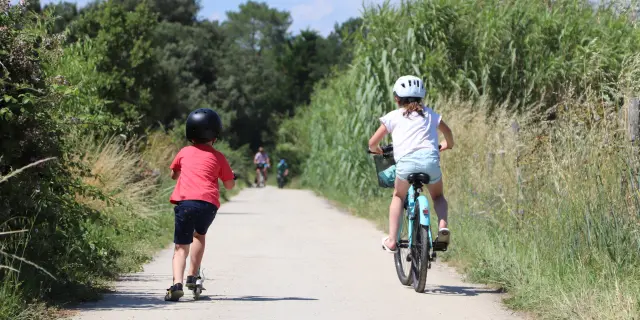
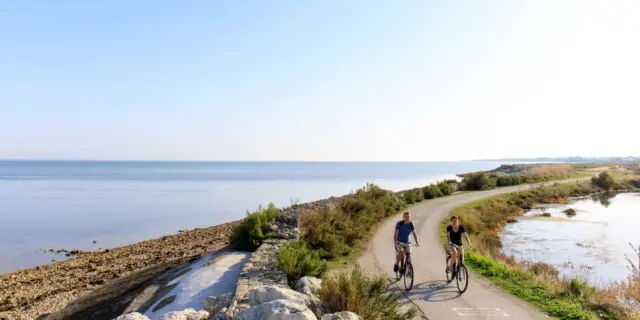
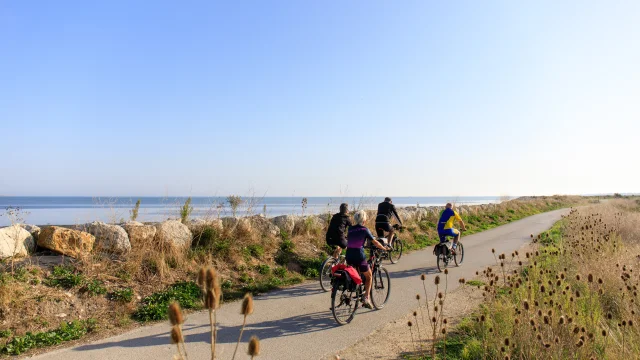
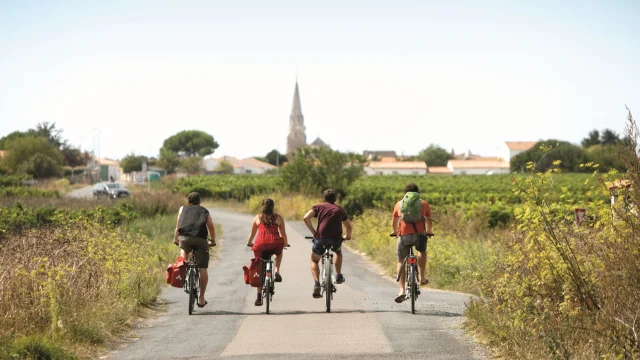
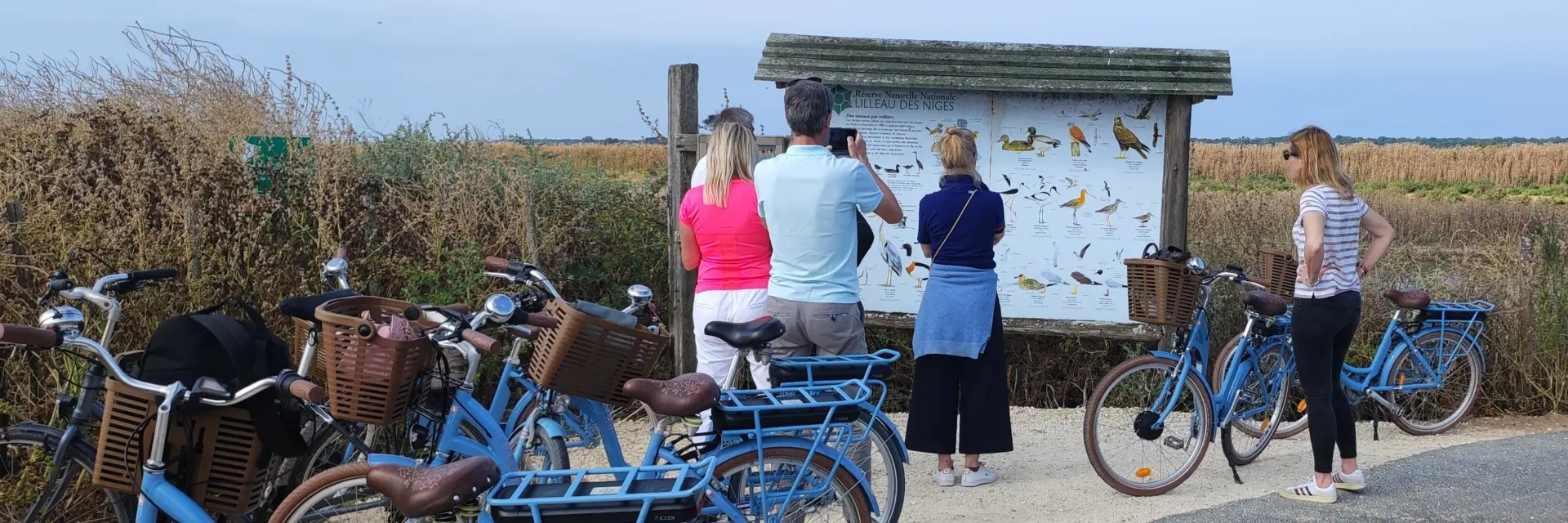
  • Explore the island by bike: with over 130 km of cycle paths, it’s the ideal way to discover the countryside without stress.
  • Visit the must-see sites in the morning or at the end of the day to avoid the crowds.
  • Opt for accommodation outside the most touristy villages for a more local feel.
  • Prepare your arrival and accommodation in advance: Book in advance! In high season, accommodation and popular activities (guided tours, bike hire) fill up quickly.
  • Choose sustainable accommodation: Opt for eco-responsible campsites, certified bed and breakfasts, or accommodation that is committed to CSR.

Practical advice for a successful and responsible holiday

Beaches and natural areas

For a more serene experience, choose the beaches and natural areas that are less busy during rush hour.
In the early morning or at the end of the day, the island reveals a completely different face: soft light, a calmer atmosphere, less traffic.

Activities and walks

Plan your outings before 10am or after 6pm. You’ll avoid the crowds and enjoy a more authentic atmosphere.

Respect the environment

  • Adopt eco-responsible gestures: Sort your rubbish, use reusable water bottles, use the signposted beach access paths, respect protected areas and use the tide bins to dispose of rubbish collected on the shore.
  • Support those involved: Green Key-labelled accommodation, restaurants offering local produce, or certified activities.

Getting around the island

  • Favour soft mobility: cycling, scootering or public transport (RéspiRé shuttle network) to limit your carbon footprint and avoid parking problems.
  • Car parks: Use the free car parks on the outskirts of villages (e.g. La Couarde car park) and finish your journey on foot or by bike.

Motorhome parking: what you need to know

  • Camping-car parking is regulated on the Ile de Ré.
  • Parking on the public highway is permitted provided it complies with the Highway Code. However, prolonged parking, unauthorised camping or setting up (tables, awnings, wedges) is prohibited outside the designated areas.
  • To avoid fines and protect the countryside, always use official reception areas or authorised campsites.

Advice for cyclists

Every summer, many visitors opt to cycle. For your safety:

  • Absolutely avoid using the departmental roads,
  • Respect the signs and the highway code,
  • Choose quieter times (before 10am or after 6pm).

Cycling is a major asset on the island, provided you use it carefully!

Anticipating your departure from the island: the detail that changes everything

By public transport

If you leave the island by bus, avoid taking the last bus of the day. In summer, unforeseen circumstances (delays, crowds, missed connections) can quickly complicate your departure.

Our simple advice: take the second-to-last bus, or even earlier depending on the season. This gives you a margin of safety and avoids unnecessary stress.

By car

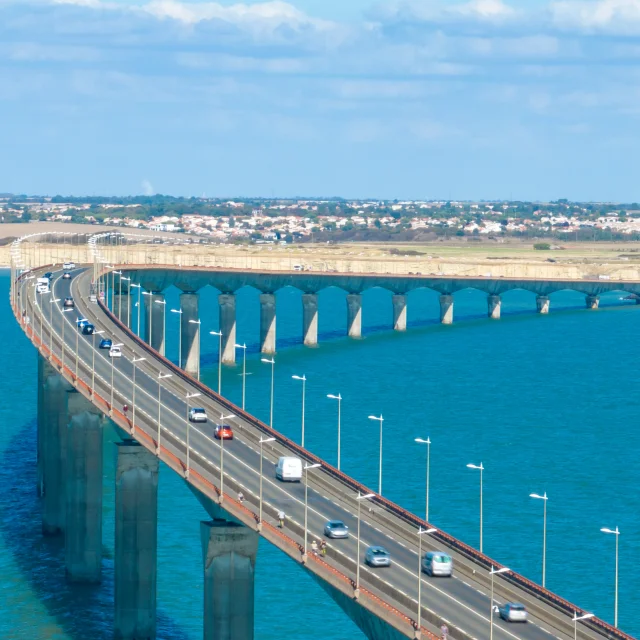
Traffic peaks on the bridge occur mainly :

  • Saturdays (arrivals and departures),
  • in the late morning,
  • between 4pm and 7pm,
  • on bridge weekends (arrivals/departures): if possible, arrive the day before and leave the day after.

Before leaving the island, remember to check the traffic cameras on the Île de Ré bridge. This will enable you to anticipate any slow-downs and adapt your departure time.

Sometimes leaving an hour earlier (or later) changes everything.

Enjoy the island of Ré with complete peace of mind

The Ile de Ré is a destination that can be enjoyed in every season. Whether you’re looking for summer entertainment or winter peace and quiet, the island’s diversity and authenticity will win you over. Plan your stay according to your desires, and let yourself be carried away by the gentle way of life on the island!

By adapting your visits to lighter periods (early mornings, late afternoons or less busy months), you’ll enjoy a more intimate and authentic experience.

By favouring soft mobility, exploring unspoilt sites and supporting local initiatives, you’ll be playing an active part in preserving this exceptional region, while enjoying an unforgettable holiday that respects its balance.

FAQ : Visitor numbers on the Ile de Ré

  • When is the best time to visit the island of Ré?

    April, May, June, September and October are the best months to enjoy the island without the crowds. The periods outside school holidays and bank holidays are ideal!
    The climate remains mild, the cycle paths are smoother and the beaches more accessible.

    July and August are busier, with many tourists, due to the summer holidays.

  • How busy is the island of Ré in summer?

    Yes, the island is very busy between July and August, with a population that can exceed 150,000 people.

    Villages such as Saint-Martin-de-Ré and La Flotte attract a large number of visitors.
    To avoid the crowds, it’s best to visit early in the morning or after 6pm.

  • When is the heaviest traffic on the Ile de Ré bridge?

    Traffic peaks occur :

    • Saturdays (arrivals and departures),
    • between 10am and 1pm
    • between 4pm and 7pm,
    • at major weekends and during school holidays,
    • on arrival/departure weekends: if possible, arrive the day before and leave the day after.

    In high season, check the traffic cameras on the bridge before you leave to anticipate any delays.

  • How to avoid traffic jams when leaving the Ile de Ré?

    A few simple tips:

    • Avoid Saturdays in the middle of the day,
    • Leave early in the morning or in the evening,
    • Depending on your possibilities, leave the day after or the day before the forecast peaks,
    • Check traffic conditions in real time (bridge cameras, specific applications such as Waze or Google Maps traffic view, Bison Futé, etc.),
    • If you’re taking the bus, don’t wait for the last departure. Plan to take 1 to 3 buses in advance, depending on how busy it is, especially to get to La Rochelle SNCF station or the airport.

    Bear in mind that access to the island is via the bridge only, and may be subject to unforeseen circumstances (accident, vehicle breakdown, etc.). Please note: it is possible to take a sea shuttle between Saint-Martin-de-Ré and La Rochelle between April and October, with or without a bicycle; traffic is generally free-flowing.

    An hour’s notice can save a lot of time!

  • Is it easy to get around the island of Ré by car in summer?

    Traffic is still possible, but can be heavy at peak times. Parking in the villages is limited in high season.

    We advise you to :

    • give preference to cycling,
    • limit car journeys to short distances.
    • Leave your car at home and take advantage of the buses or free electric shuttles during the high season.
  • Where can I park my motorhome on the Ile de Ré?

    Motorhome parking is regulated.

    • Simple parking is permitted provided it complies with the Highway Code.
    • Unauthorised camping and installation (tables, wedges, awnings) are prohibited outside the designated areas.
    • Dedicated areas and serviced campsites exist in several communes.

    We recommend that you use only official areas.

  • Is the island of Ré suitable for cycling?

    Yes, the island has over 130 km of cycle paths. Cycling is the smoothest form of transport in high season.

    For greater comfort:

    • cycle before 10am or after 6pm,
    • stay on the cycle paths,
    • avoid the main roads, especially the departmental ones, which are closed to bicycles.
  • Is the island of Ré pleasant out of season?

    Absolutely.

    From October to April, the island offers a peaceful setting, wild landscapes and an authentic atmosphere.
    It’s an ideal time of year for nature lovers, photographers and hikers.

  • Is it necessary to book accommodation well in advance?

    In July and August: yes.

    Accommodation, bike hire and guided activities are often fully booked several weeks in advance.

    In mid-season, booking is still recommended, but is more flexible.

  • How can you visit the island of Ré responsibly?
    • Use soft mobility.
    • Respect protected natural areas.
    • Sort your waste.
    • Favour local, committed players.

    Tourism that is better spread out over time also helps to preserve the island’s balance.

  • What activities are available all year round?

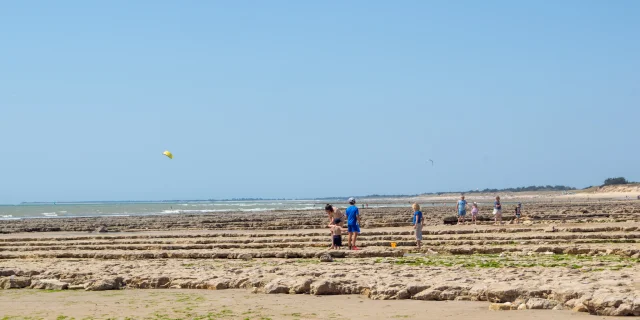
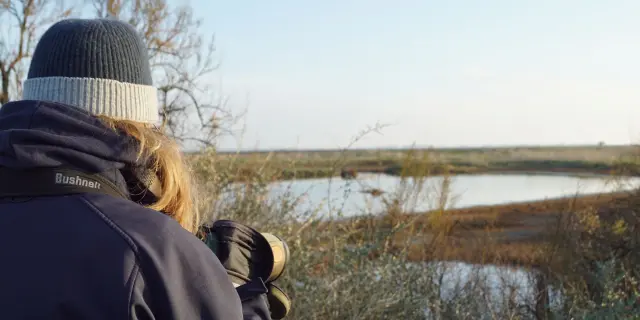
    Cycling and walking tours, visits to the Phare des Baleines lighthouse, tastings of local produce, birdwatching, fish locks and the island’s heritage are all possible in all seasons.

      In low season, don’t hesitate to phone to confirm the opening times of the various sites, activities, shops and restaurants.

  • When is the best time to visit the Tourist Office?

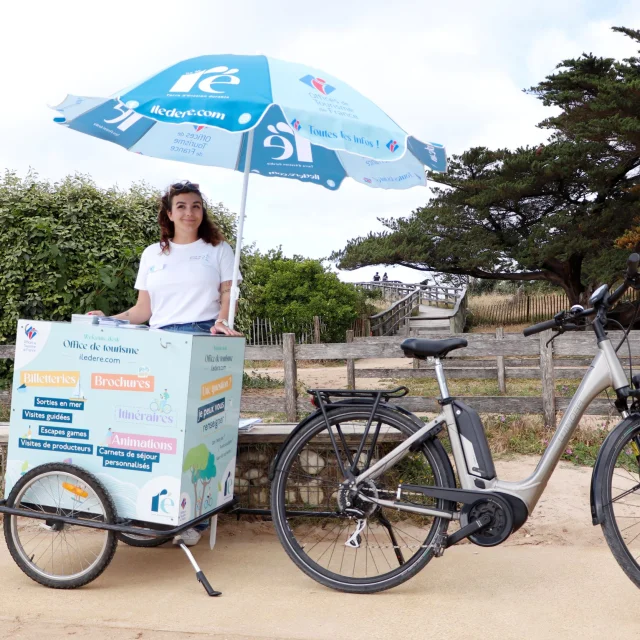
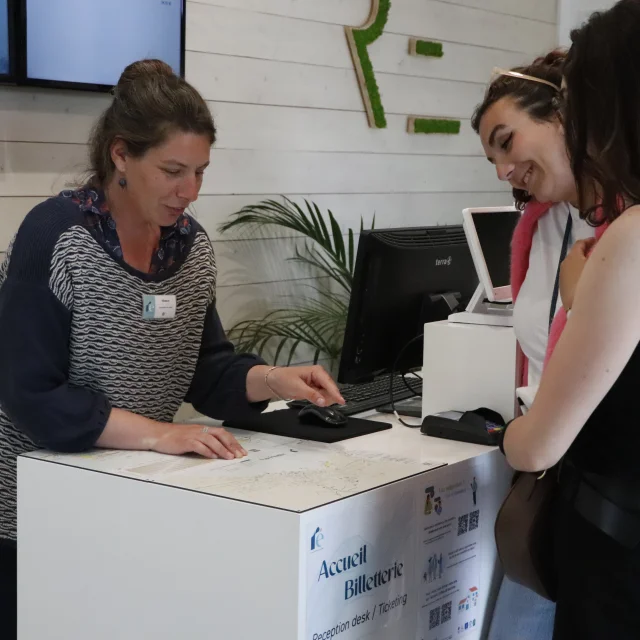
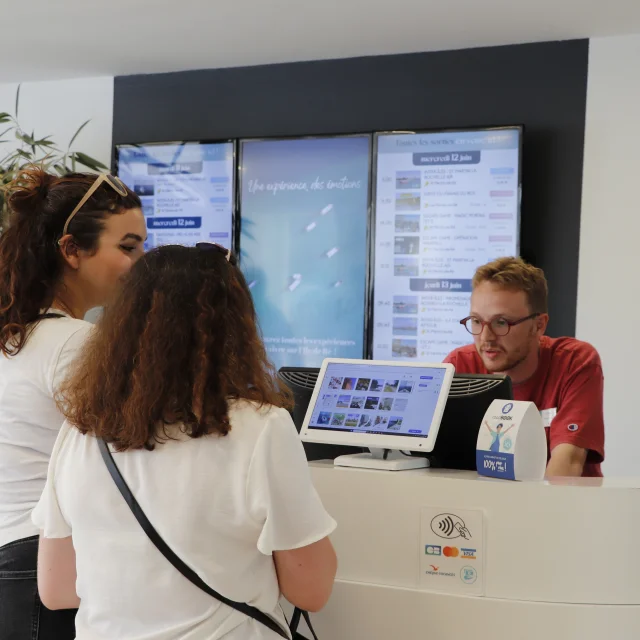
    Depending on your availability and for your convenience, our tourist offices are busiest on Mondays and Tuesdays, as well as at weekends and on public holidays. The best times to meet us are between 9.30 and 10.30 andbetween 14.00 and 16.00.