
A history rooted in tradition
Salt farming on Île de Ré dates back to the Middle Ages, when Benedictine monks began developing the first salt marshes. Thanks to the island’s mild, windy climate and rich soil, salt production quickly developed, becoming a valuable resource for the island and its inhabitants. Until the 19th century, salt was an essential resource, used not only as a condiment but also for preserving food.
Although the salt industry declined in the 20th century with the rise of industrial production methods, the Île de Ré salt marshes have been preserved and restored. Today, artisan salt production continues thanks to a handful of passionate salt producers (sauniers) who carry out this unique craft.
The salt producers’ expertise
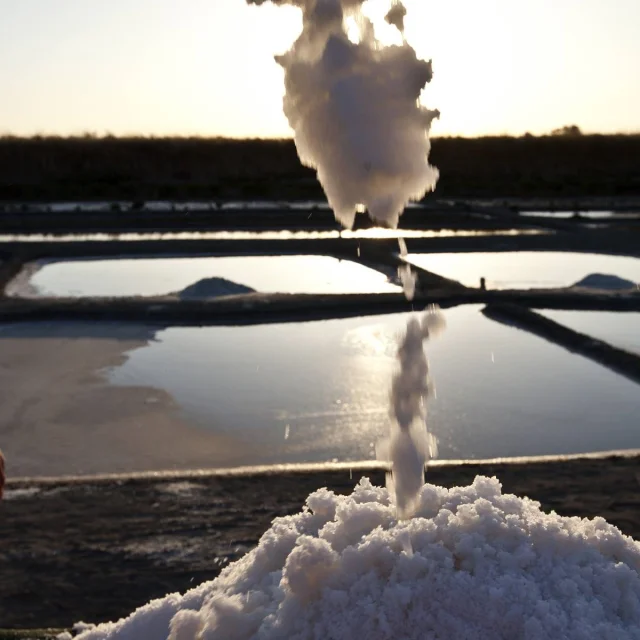
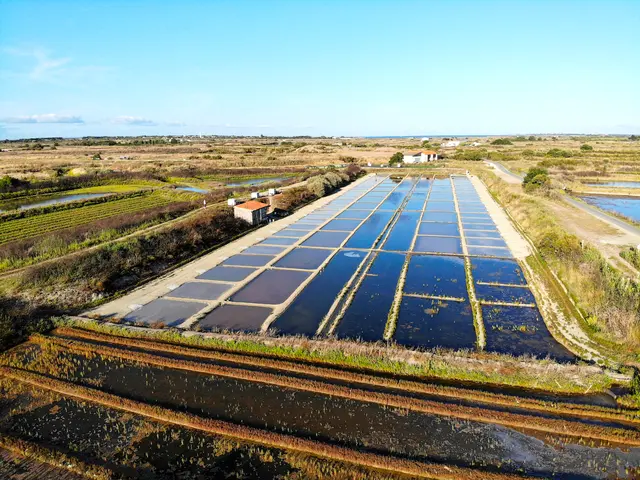
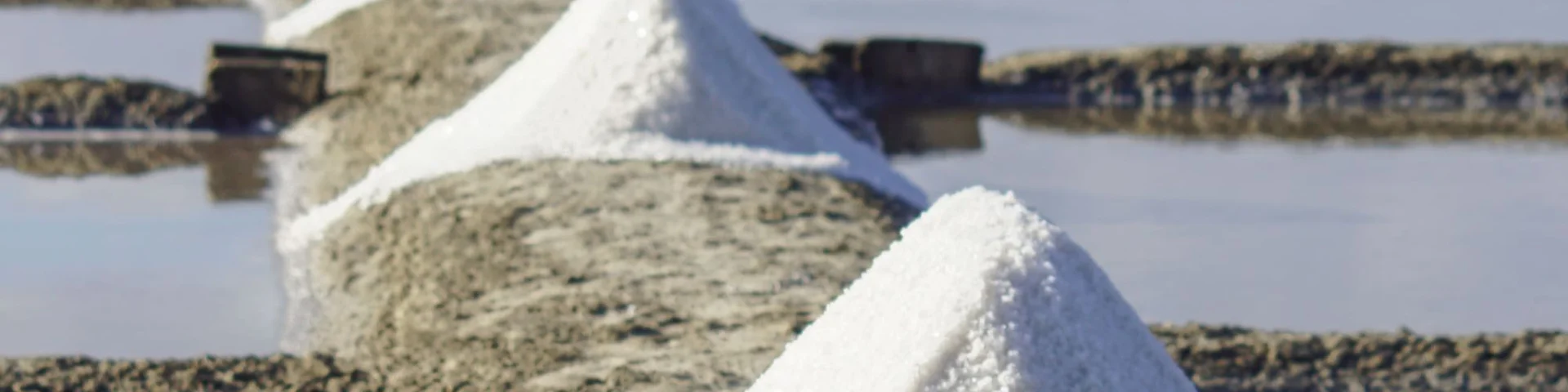
The salt producer’s craft is a true science of nature and patience. The harvesting process is based on a precise cycle that takes advantage of natural elements: the sun, wind, and seawater. Salt marshes consist of shallow pools where seawater slowly evaporates under the action of the sun and the wind. This process, which takes several weeks, allows salt crystals to form naturally.
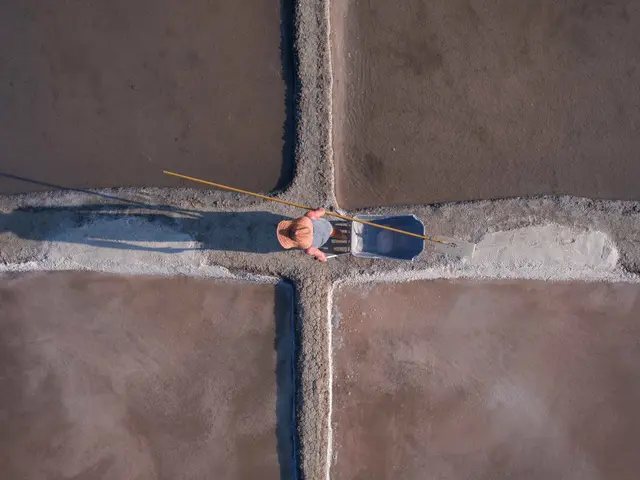
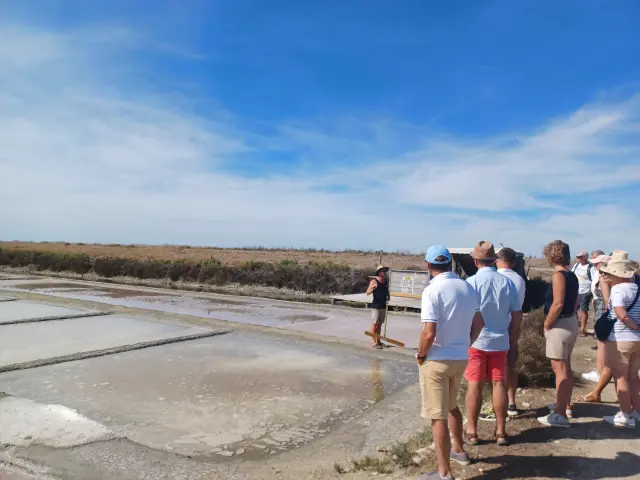
The salt producer (saunier), uses expertise passed down from generation to generation, to monitor the basins and harvest two types of salt:
- Coarse salt, which is the most common type and forms at the bottom of the pools. It is harvested with a shovel, and its crystals are thicker.
- Fleur de sel, a real treasure, which forms on the surface of the ponds as a thin film due to the action of the wind. It is delicately harvested by hand, and its light texture and subtle flavour make it a highly sought-after product in cooking.