Raising awareness of the foreshore

From the foreshore to the dunes  Seaside flora

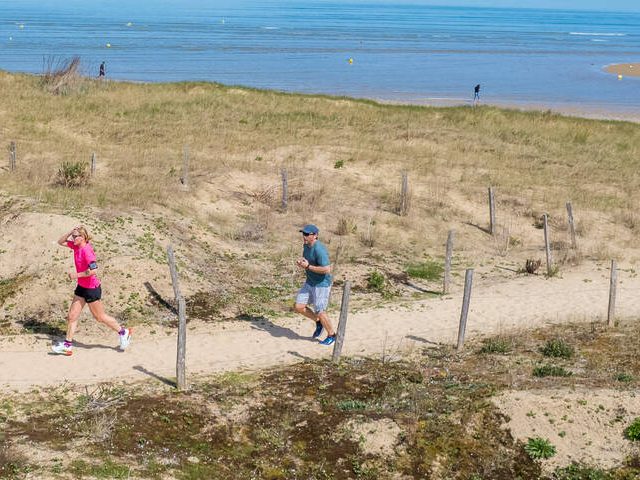
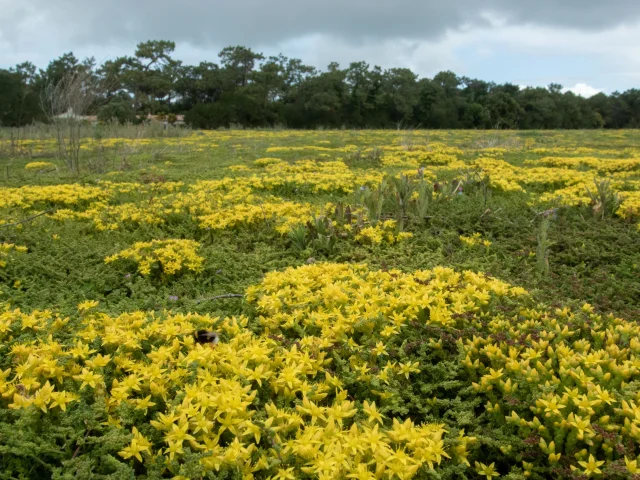
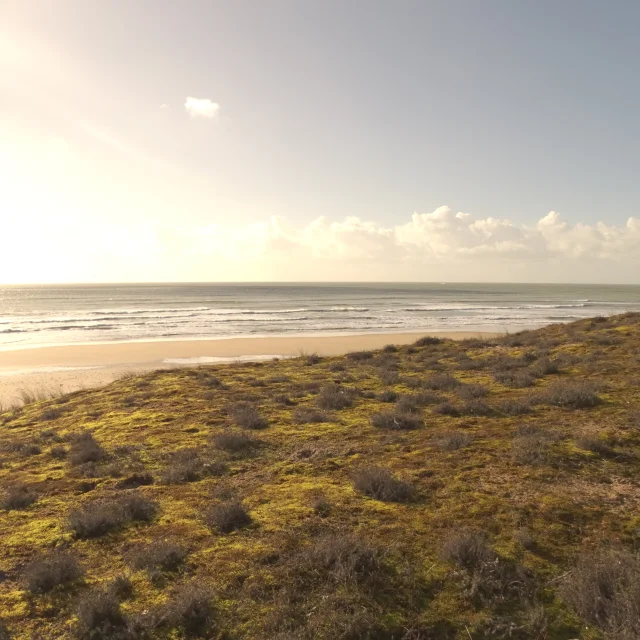
At the top of the beach is the embryonic dune, an extremely fragile habitat that is essential to preserve. Please protect the plants growing there, by not trampling on them.

Typical species include:

  • Beachgrass, which helps bind sand together
  • Seaside panicum, recognisable by its bluish leaves
  • Bindweed, with pink flowers adorning the sand.

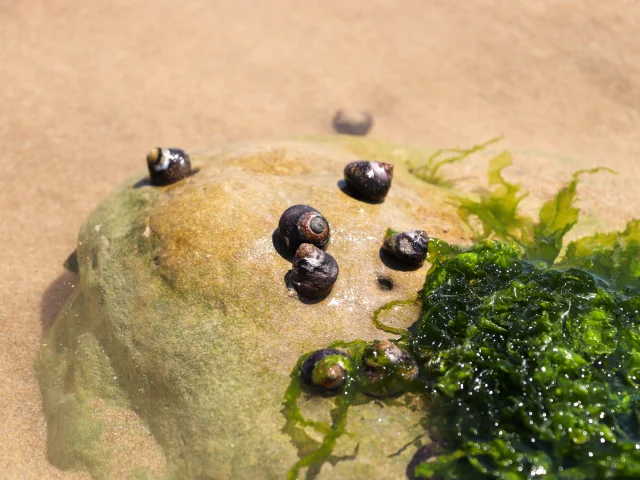
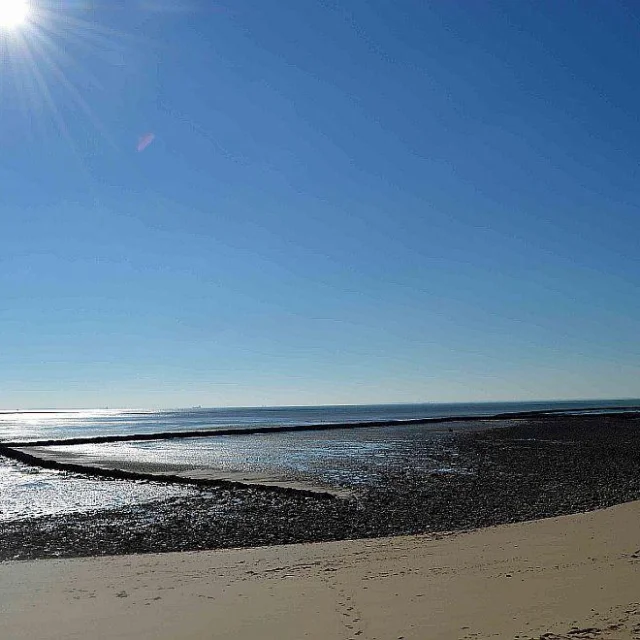
Behind this first dune rises the grey dune, or fixed dune, which is more stable and home to different plants. At the bottom of the beach, the part of the coastline uncovered at low tide, known as the ‘platin’ on Île de Ré, is the rocky foreshore. This is the domain of seaweed, particularly ulva (or sea lettuce) and bladderwrack, well known to walkers.
Foreshore flora and fauna

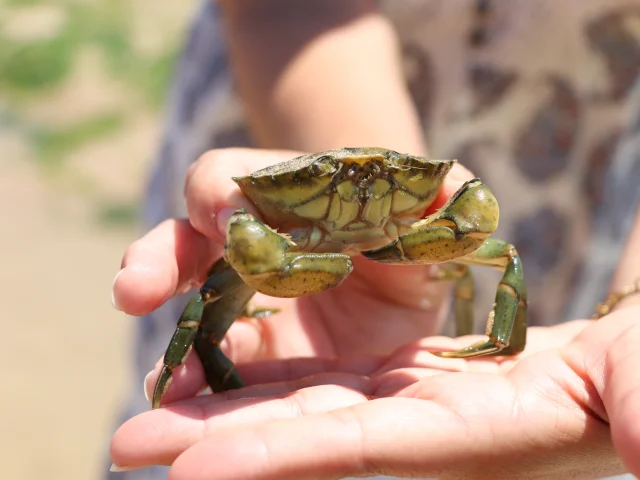
On the foreshore, life adapts to the rhythms of the tide. Marine organisms, often made up largely of seawater, have to survive each time the sea goes out and they find themselves drying out. Each has its own strategy:

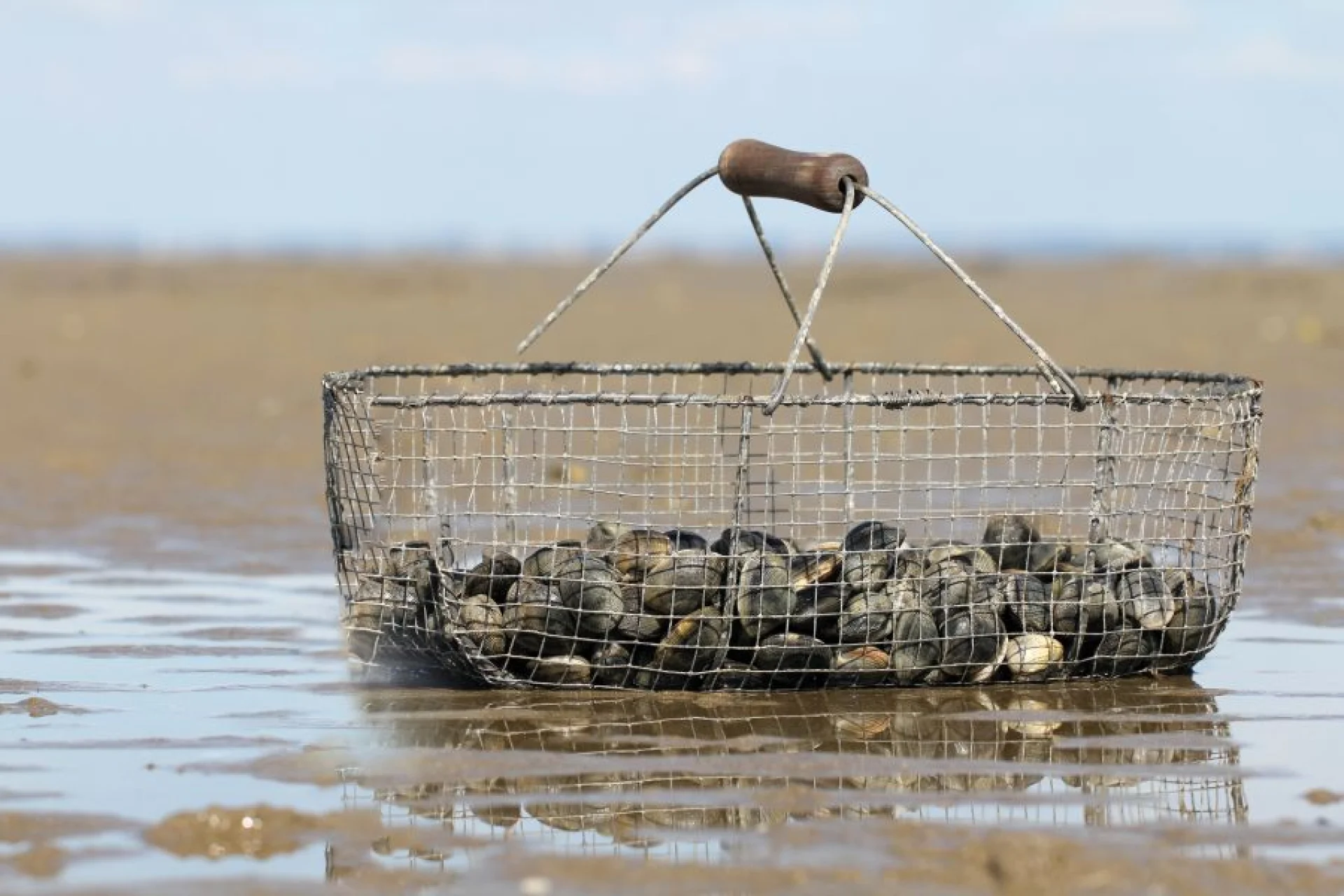
  • Oysters, mussels and limpets close their shells to conserve water
  • Clams, razor clams and other bivalves bury themselves in the sand or mud
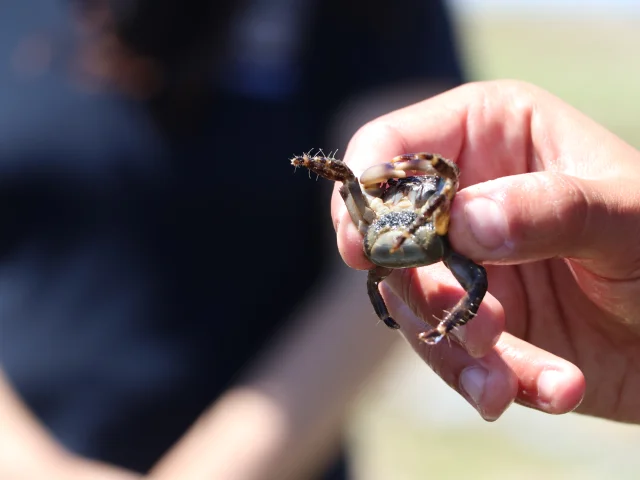
  • Crabs, prawns, sea snails and small fish hide under rocks
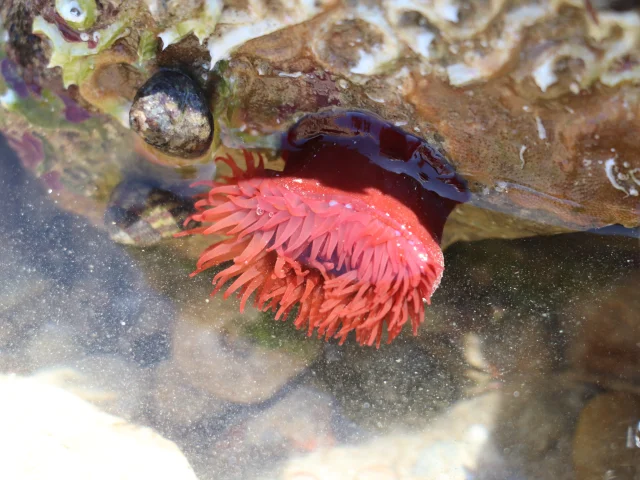
  • Seaweed and sea anemones gorge themselves with water to keep from drying out.

When the tide comes back in, all this life starts up again: a fascinating natural ballet to observe, whilst making sure to respect the environment.

The tides How they work

Every day, the sea rises and falls twice: there are two high tides and two low tides, each lasting around six hours.

This phenomenon is due to the attraction of the moon on the oceans, which causes a slight deformation of the earth’s surface. When the earth, moon and sun are aligned, the attraction is stronger: the sea rises higher and falls lower. These are the spring tides, when the tidal range generally varies between 80 and 120.

Twice a year, in March and September, the force of the sun is added to that of the moon: these are known as equinox tides. These periods offer the highest tidal ranges of the year.

Life on the foreshore

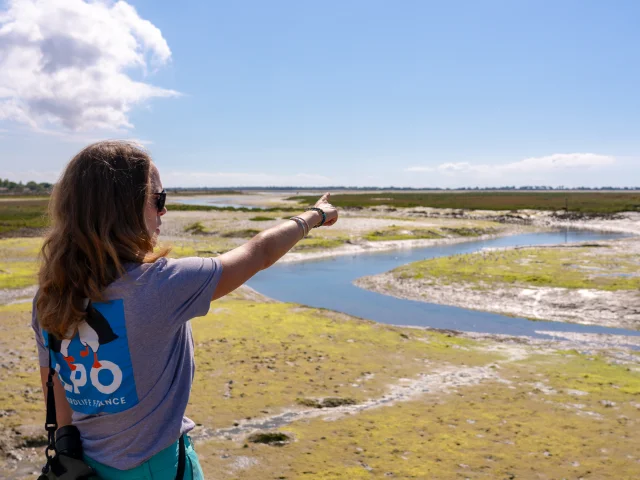
The foreshore, the area uncovered at low tide, is home to an incredible diversity of species adapted to a changing environment.

Shore fishing What to do before you leave

When practised at low tide, shore fishing is a fun activity that is close to nature. However, it does require caution and respect for the environment. Here are a few essential recommendations before you set off.

Before setting off

  • Check tide times: find out when the tide is low and plan your return accordingly. You can fish 1 to 2 hours before low tide and stay for up to 1 or 2 hours after low tide, depending on the tidal range and the fishing site. Some areas can become dangerous: always go back before the tide comes in and keep an eye on other anglers.
  • Make sure you are properly equipped: a watch, a charged mobile phone and emergency numbers to hand: 18 or 196 (CROSS – Centres opérationnels de surveillance et de sauvetage).
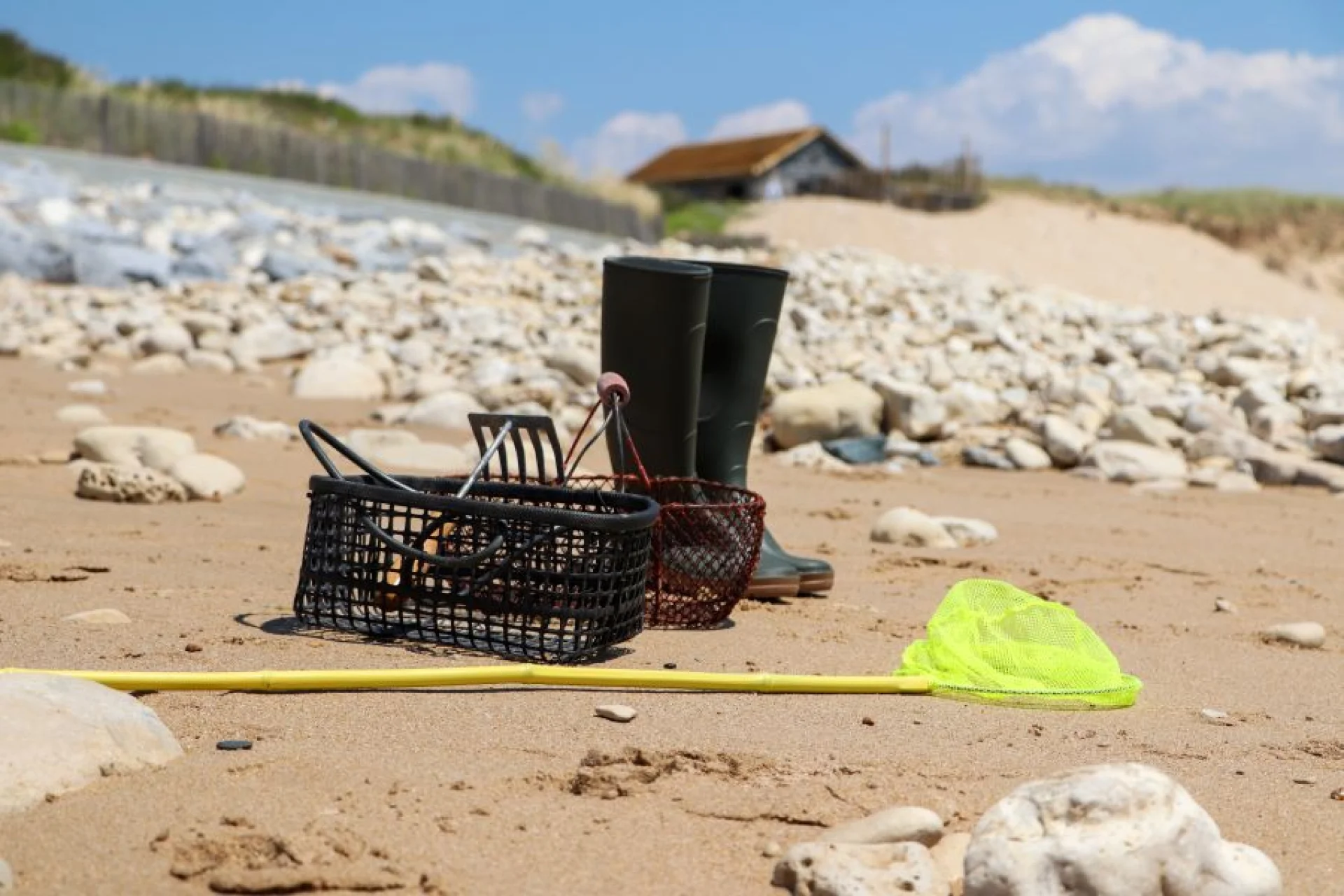
  • Wear suitable footwear (tight boots or old trainers). Do not venture out barefoot.
  • Do not go out in fog, storms or at night: shore fishing is prohibited between sunset and sunrise.
  • Check the quality of the shellfish: some areas are unfit for consumption.

Find out more on the Maritime Office website or from the Community of Municipalities eco-guards.

On Île de Ré, shore fishing is prohibited in the following locations:

  • On the northern beach of Rivedoux-Plage
  • In the Lilleau des Niges and Fier d’Ars nature reserves
  • In harbours and channels
  • Within 25 metres of farming concessions (oyster beds).

Responsible fishing Make yourself ‘very small’

The golden rule: do not leave any trace of your presence on the foreshore.

Only take what you intend to eat, and in reasonable quantities. If you’re just starting out, find out how to keep what you catch fresh: some shellfish need to drain before being eaten.

Fishing Tools Alizee Russeil

The tools

  • A pair of gloves
  • An oyster pick
  • Possibly a clam tool

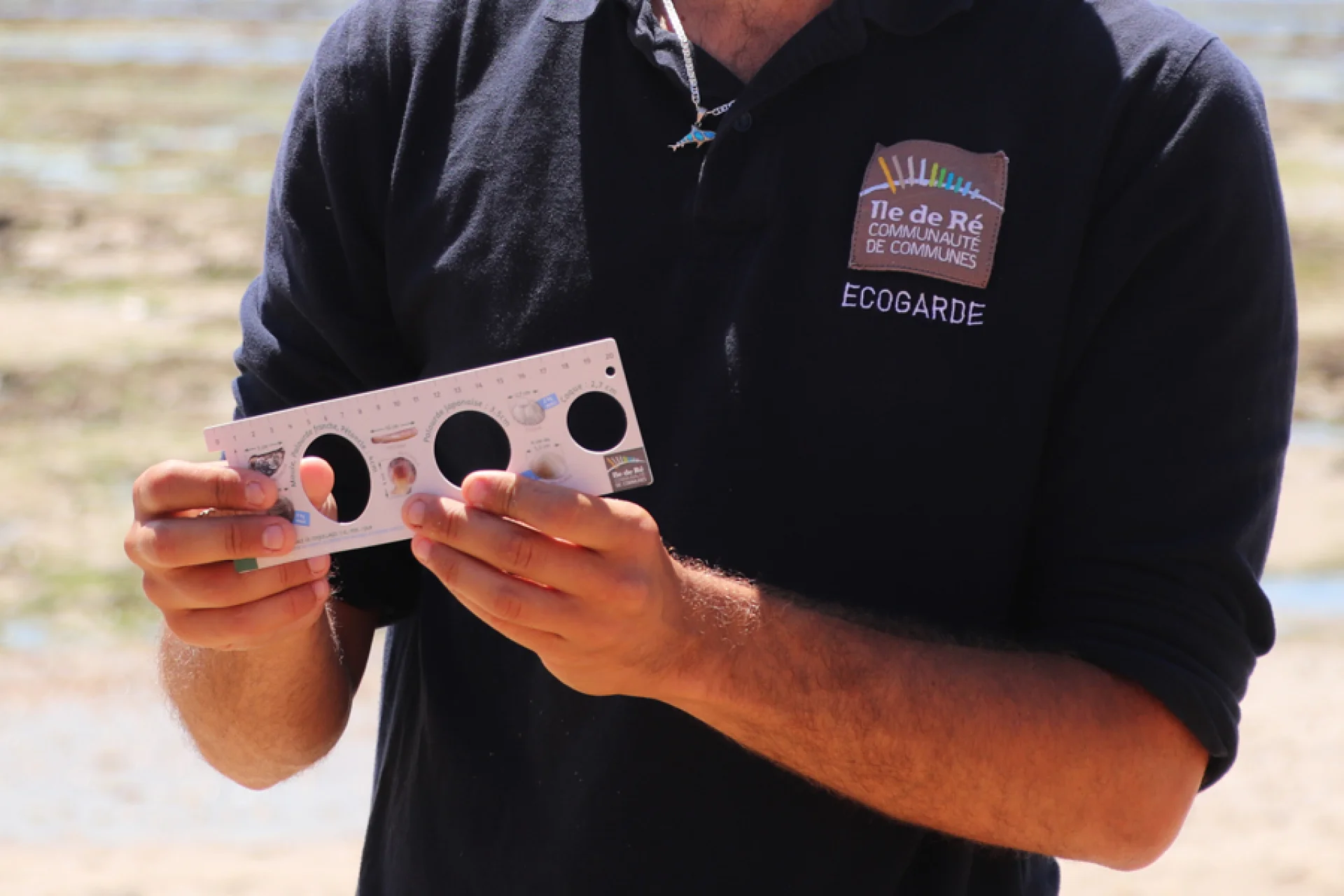
Essential: take a ruler to measure your catch and portable scales to check the total weight of your basket.
Not allowed: pocket-knives or whale bone knives, hammers, chisels, shovels, spears or rakes.

Pecheapied Thomas Pajot

Quantities

Each angler is entitled to catch 5 kg/day. Some species have additional restrictions (maximum quantity):

  • Cockles: 2 kg
  • Prawns: 3 kg
  • Clams: 200 units
  • Spider crabs: 6 units
  • Common prawns: 2 kg
Reglette Peche A Pied Sortie Ecogardes Alizee

Find out more

The shore fishing ruler and the practical guide to shore fishing are available from the 10 tourist offices making up the Destination Ile de Ré Tourist Office. Find out information on the Community of Municipales website.

Things to remember

  • Put stones and sediment back where they belong
  • Fill in holes to avoid destroying habitats
  • Walk slowly and observe the landscape
  • Use soft tools to avoid injuring marine organisms
  • Release fish that are too small back in the exact place where they were found
  • Respect regulatory minimum sizes by measuring what you catch one by one
  • Comply with the regulations in place.

Fish locks Unique heritage on Île de Ré

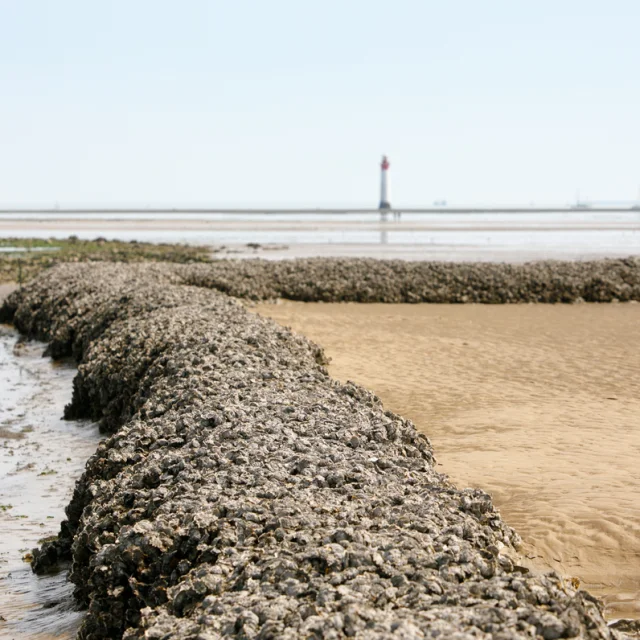
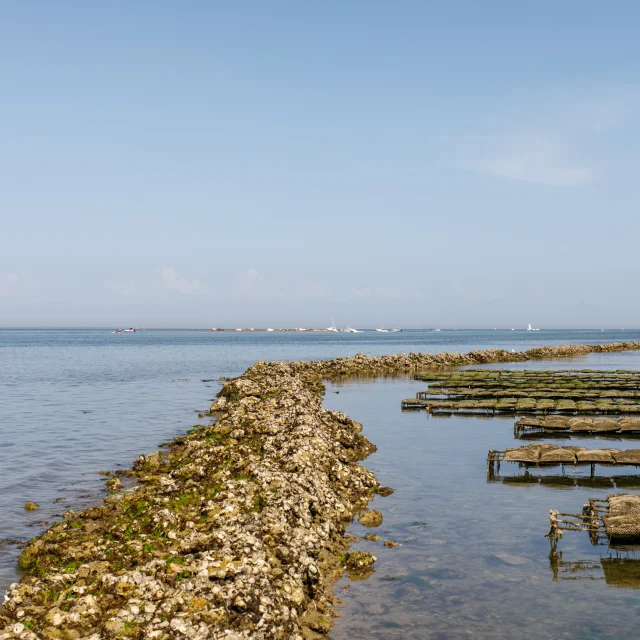
Marvel at the long stone walls that wind their way along the rocky foreshore. These traditional fish locks, which date back to the Middle Ages, can be several hundred metres long.

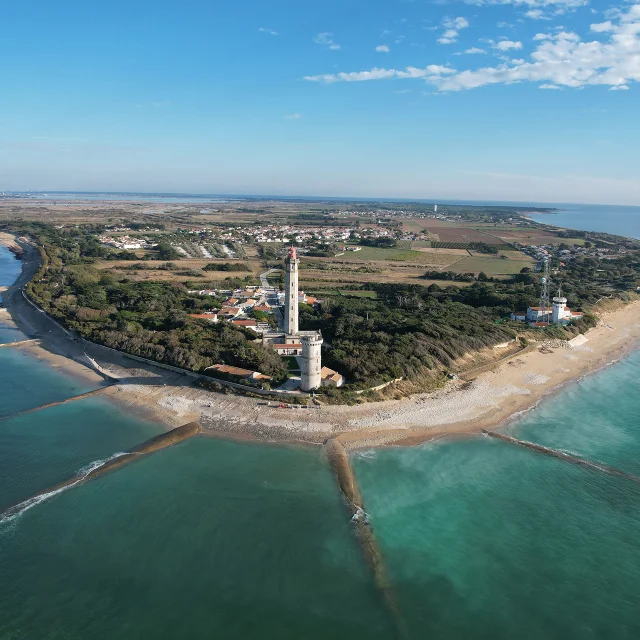
In 1727, there were around 115 fish locks on Île de Ré. Today, only 14 remain, located in Sainte-Marie-de-Ré, Saint-Clément-des-Baleines, Les Portes-en-Ré, Ars-en-Ré and Loix.

The fish locks bear witness to an ancestral fishing method that is now disappearing. As part of our fragile maritime heritage, they require constant vigilance and maintenance if they are to be preserved.

How a fish lock works

As the tide comes in, the lock fills up naturally with water: fish and molluscs enter the fish lock with the current. When the tide goes out, the water slowly drains away while the fish, guided by the stone wall, find themselves trapped inside.

The principle is simple and ingenious: it uses the tide as a fishing tool, without requiring any equipment or engine.

Protection rules

It is strictly forbidden to fish or to go within 25 metres of fish locks, or near oyster or mussel farms.

These areas are protected zones that contribute to the ecological and cultural richness of the Île de Ré coastline.

Discover the fish locks

The best way to discover these remarkable structures is to take part in the guided tours organised by the Association de Défense des Écluses à Poissons de l’Ile de Ré (ADEPIR).

  • Information is available from the island’s ten tourist offices.

Angling Along the coast or surfcasting

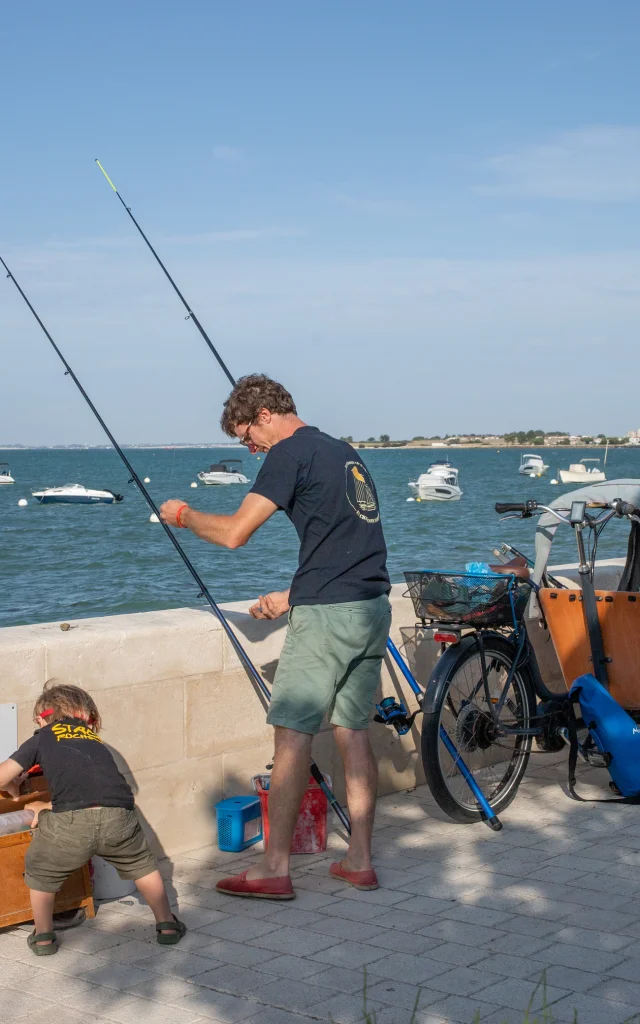
Surfcasting literally means ‘fishing with a line in the wave’. It is a sea-fishing technique carried out from rocks, beaches or breakwaters. Accessible and popular, it is a way of experiencing the ocean while respecting the environment.

Unlike freshwater fishing, you do not need a permit to fish by the sea, whether at day or night. However, certain areas, such as marinas and protected sites, may be off-limits for health or safety reasons. We strongly advise you to check local regulations before setting off.

A regulated activity

Recreational sea fishing is regulated: minimum catch sizes, authorised quantities and closed seasons vary according to the species. Some fish must also be marked.

Compliance with these rules is essential to preserve marine resources. Young fish must be released immediately so that they reach the maturity required for reproduction. As each species has its own reproduction period, it is important to take this into account.

For example:

  • Sea bass can be caught from April to November
  • Mullet can be caught from May to June and December to January
  • Sole can be caught in summer and autumn.

Caution and safety first and foremost

Surfcasting requires particular vigilance in the face of waves and water holes, some of which can be several metres deep. Even when fishing from a breakwater or slipway, it’s essential to keep an eye on the swell and sea conditions.

If in doubt, always ask before fishing.