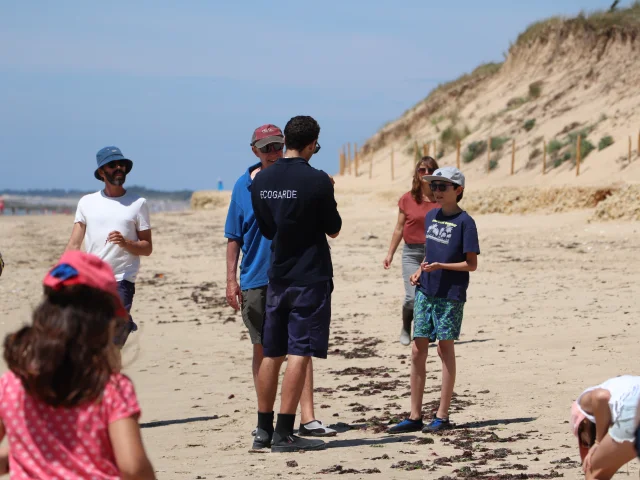
Raising awareness of the forests

Île de Ré has several wooded areas. In the past, the island had no forests for a long time, as most of its land was covered by vineyards. The existing wooded areas eventually developed on sandy soil that was not particularly fertile.

In the 1950s, just after the Second World War, maritime pines were planted on land previously occupied by the German army, giving rise to the island’s four state-owned forests: Lizay, Combe à l’Eau, Trousse Chemise and Bois Henri IV. These forests protect the coastline.

Types of tree

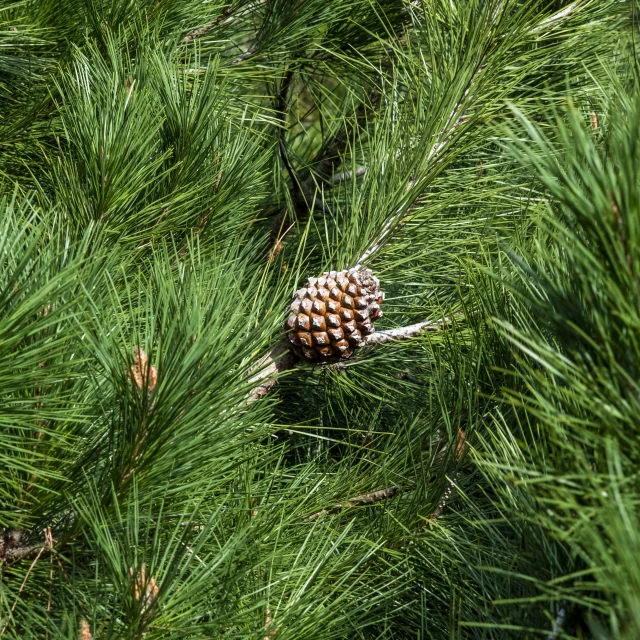
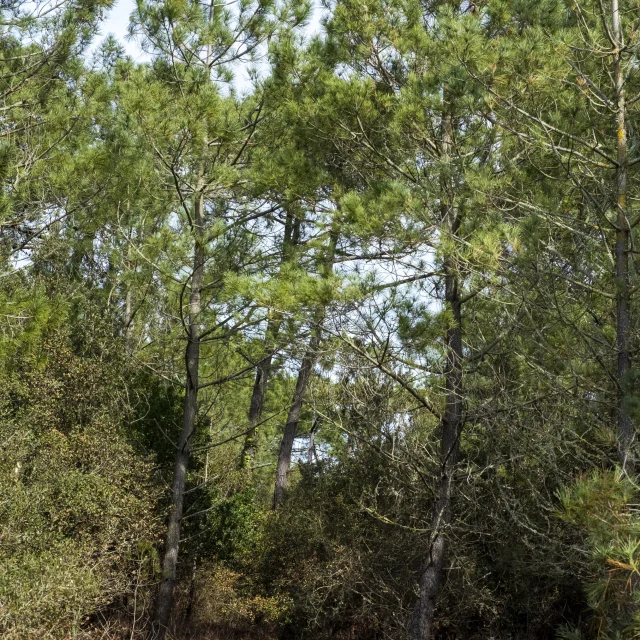
Maritime pine

Covering 4 million hectares, maritime pine is a forest species of major importance for the poor soils of south-west Europe. It accounts for half of all wooded areas on Île de Ré. 

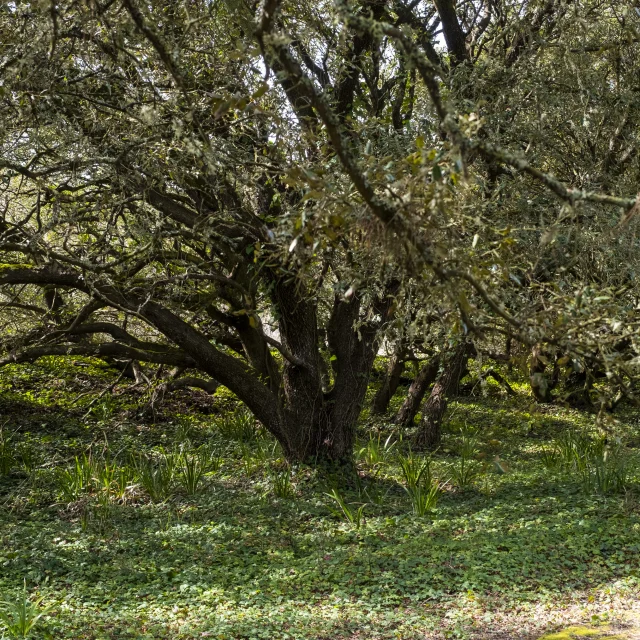
Holm oak

In Latin, the holm oak is called Quercus ilex because its leaves resemble holly leaves. It is an emblematic species in southern France and Corsica, but also thrives here thanks to the similar environmental conditions. It accounts for 15% of the island’s forests. Its foliage is evergreen and a tree can live for 200 to 2,000 years!
Lambert cypress

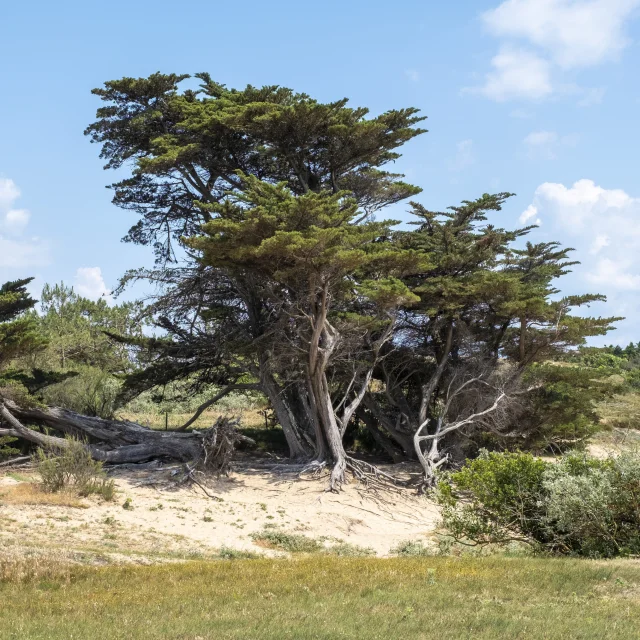
Introduced to the Atlantic dunes between 1950 and 1970, cypress trees were used to protect plantations and crops from the wind. On Île de Ré, they shape the landscape and give the forests their distinctive appearance. 

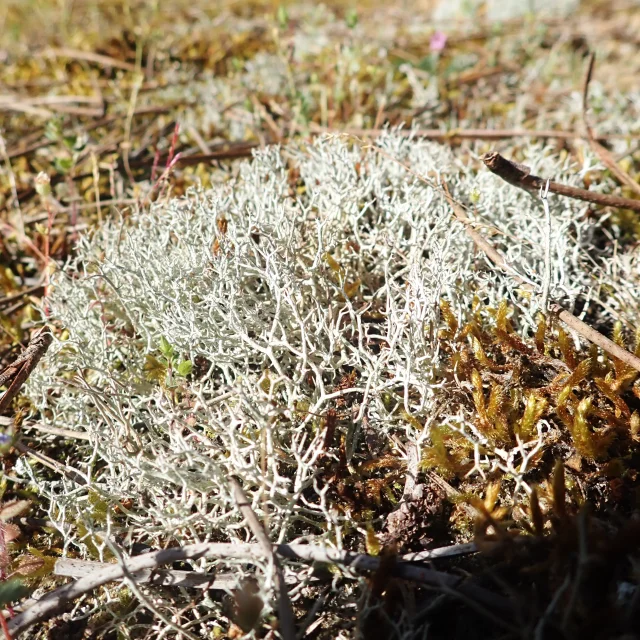
Lichen

You may have already noticed this on certain trees. Lichen is formed by a fungus that associates with algae or bacteria (sometimes both). As a result, humidity and ocean rain help it grow.

Did you know?

Some trees are ‘light-demanding species’, meaning that they cannot grow in the shade of other trees (for example, pines). This is why forest stands need to be thinned regularly to let light through and allow young saplings to grow.

Good practice

  • Leave deadwood in the forest undisturbed: it provides a home for many animals and a breeding ground for fungi and insects. It also helps enrich the soil.
  • Picking plants is strongly discouraged and prohibited for protected species.
  • Between 15 April to 15 July, it is the breeding season for many birds (from February for birds of prey). Take care not to disturb them: stay quiet and observe them peacefully.

A thousand and one curiosities

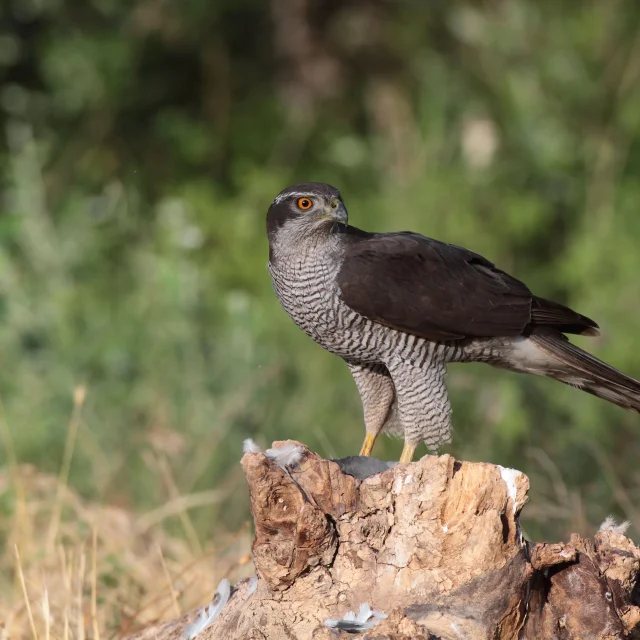
Birds of prey that nest in the forest

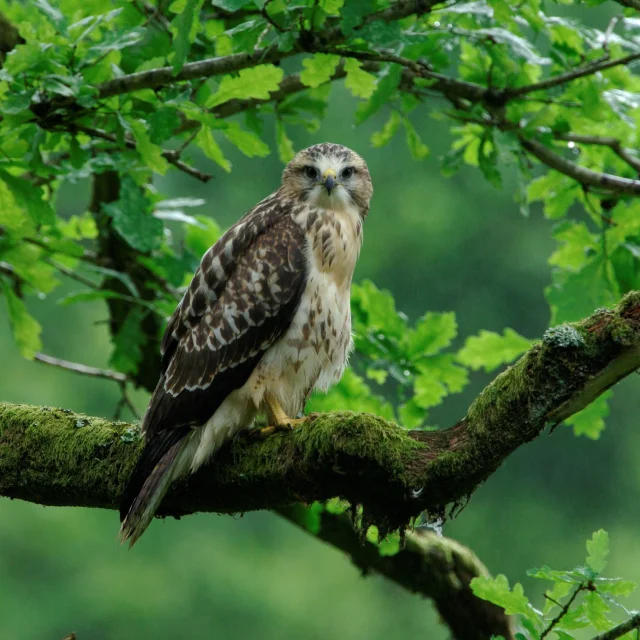
  • Common Buzzard
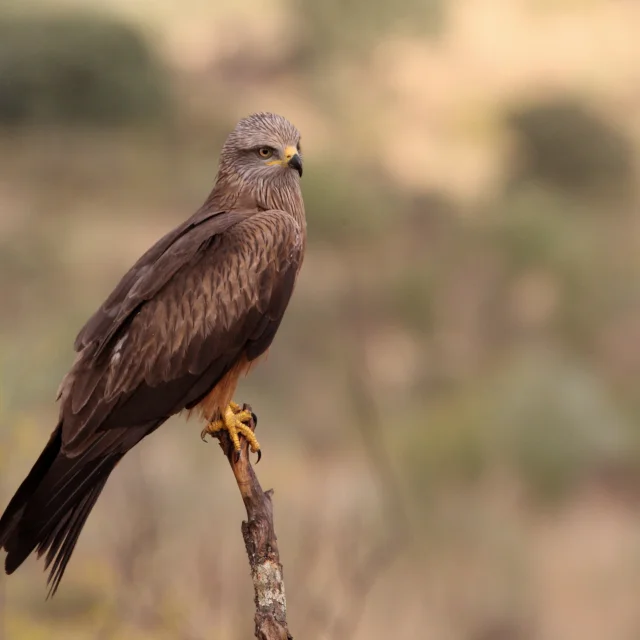
  • Black Kite
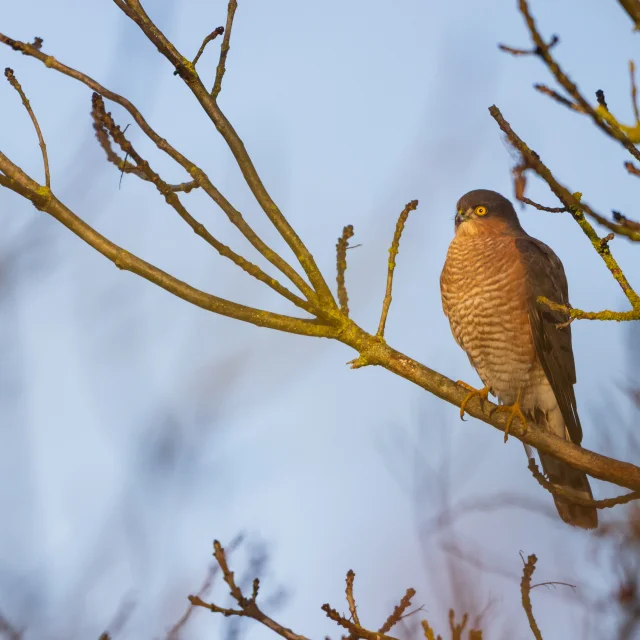
  • Eurasian Sparrowhawk
  • Eurasian Goshawk

Other birds

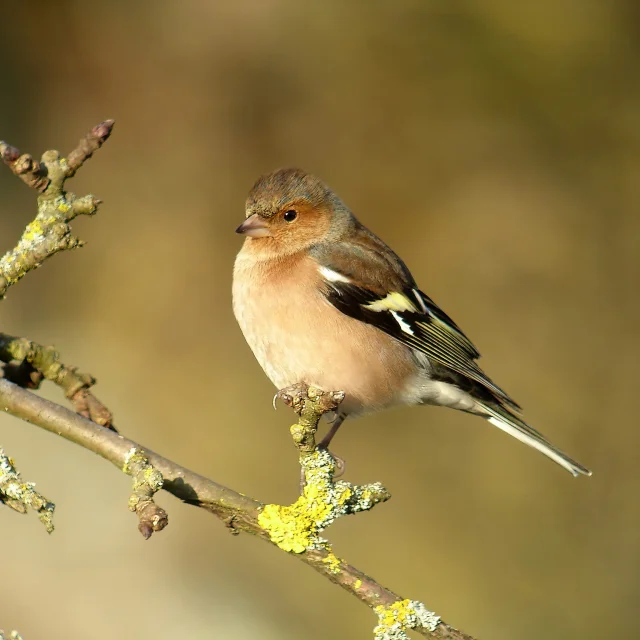
  • Chaffinch
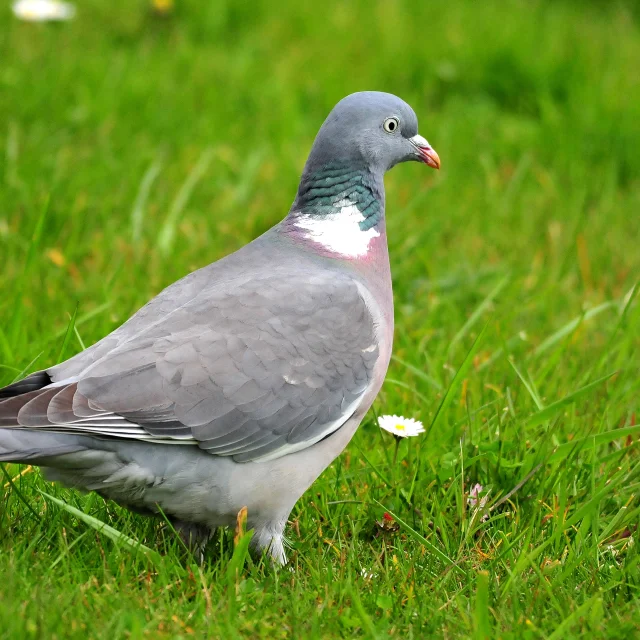
  • Wood Pigeon
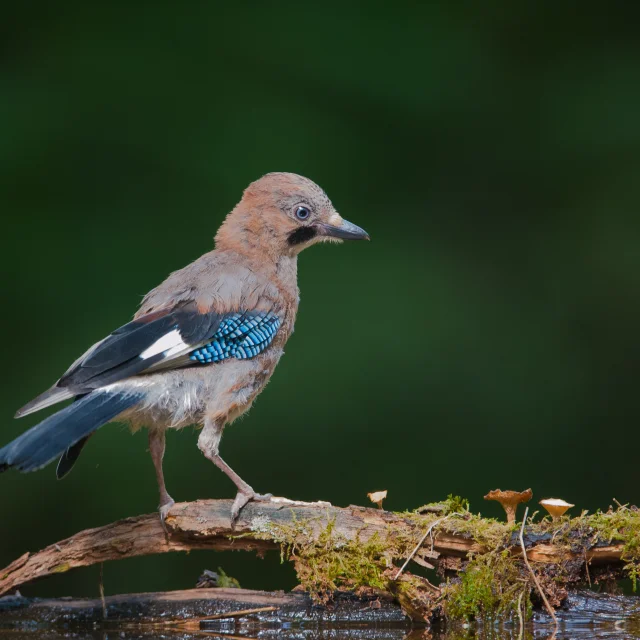
  • Eurasian Jay
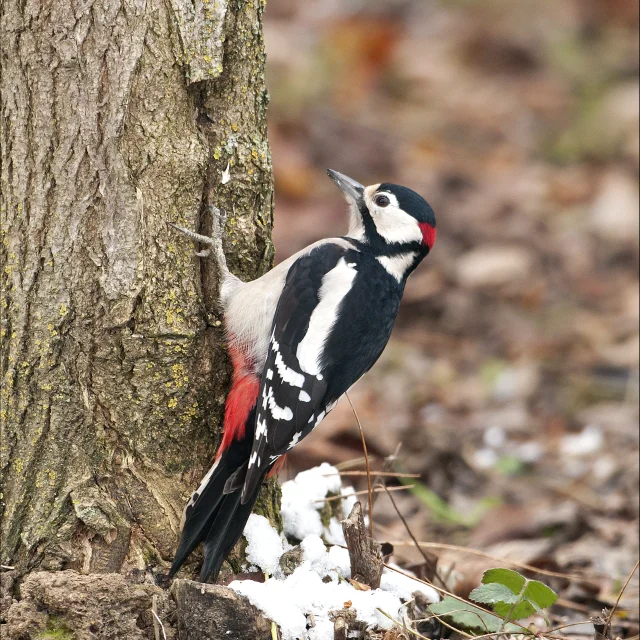
  • Great Spotted Woodpecker (feeds and nests in standing dead trees, which is why these trees should be left alone).

Nocturnal species

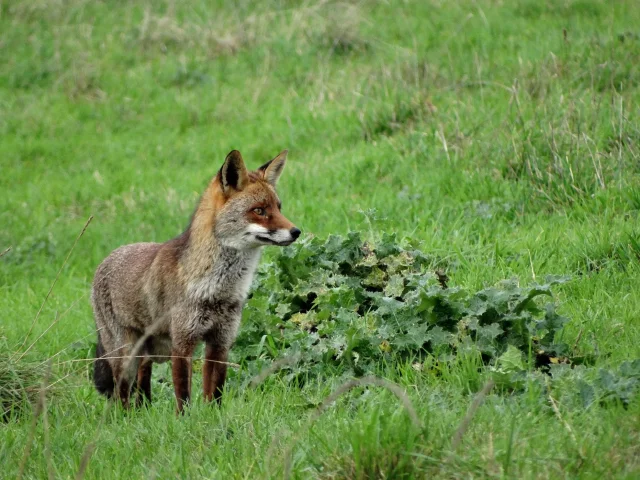
  • Fox
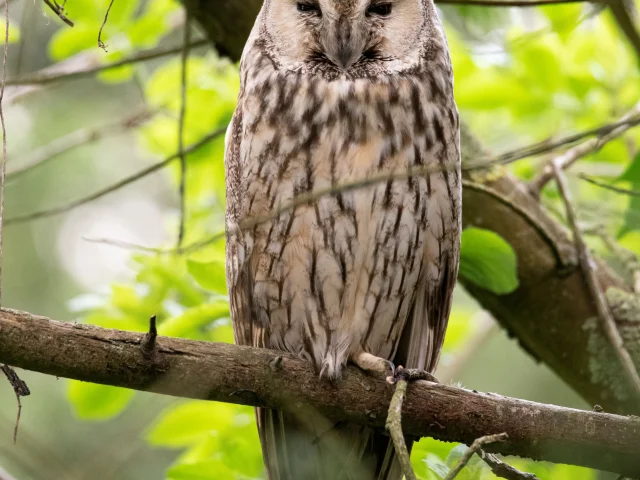
  • Long-eared Owl
  • Scops Owl (the smallest of the owls)
  • Common Pipistrelle (bat species)
  • Serotine bat (playful and harmless bats)

Zoom in on:  Pre-woodland and open areas

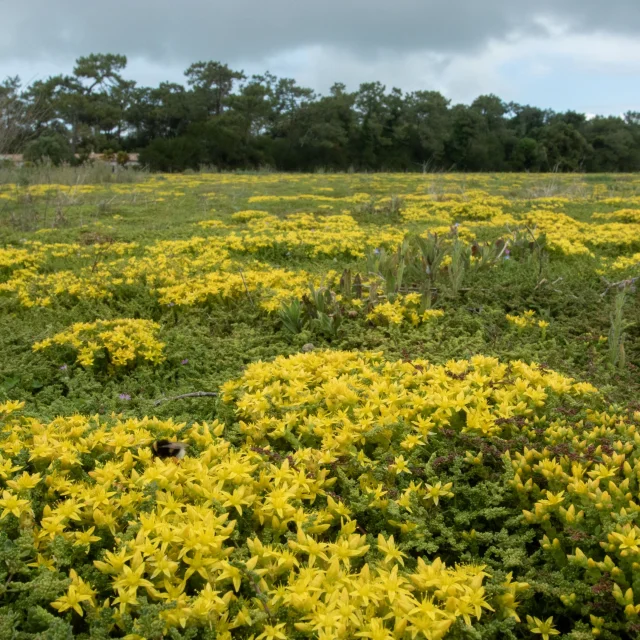
Pre-woodland and open areas are the result of gradual afforestation, creating a mosaic of scattered trees, shrubs, grassland and sand (as seen, for example, in Les Evières protected natural area located between La Flotte and Le Bois-Plage-en-Ré).

These areas are ideal for observing certain animals such as the European Nightjar, which trills at dusk, and the European rabbit, which plays an important role in maintaining the balance between woodland and open ground.

Green lizards, wall lizards and marbled newts (found in forest pools at Rivedoux-Plage) can also be seen here. These environments are also home to typical plant species, including sea holly and houndstongue. There are also areas of inner grey dune grassland, a protected habitat, is also found in these areas.

The risk of fire

Between 3,000 and 4,000 fires break out in French forests every year, and 90% of them are caused by people.

The French government has entrusted the National Forests Office (ONF) with the task of protecting forests from fire: clearing access tracks to water tanks, clearing undergrowth, and raising public awareness, among other measures.

All year round, the ONF works to prevent fires, which are especially frequent in the summer. Thanks to the surveillance network, the teams spot fires, alert the fire brigade and intervene. Once a fire has been extinguished, foresters take action to help the forest recover.