💡 THE TRANQUILLITY AND UNSPOILT BEAUTY OF THE END OF THE WORLD 🐋
👨👩👧👦 Population: 691 (according to INSEE (equivalent to ONS) in 2020)
📏 Surface area: 6,80 km2
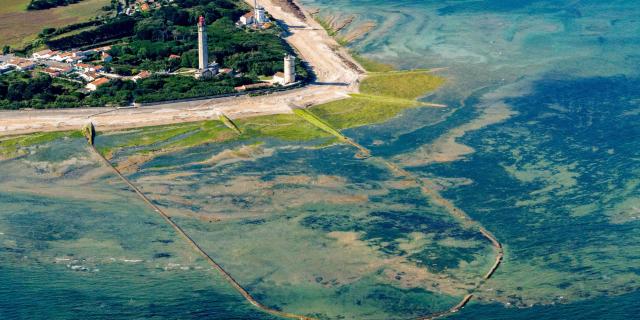
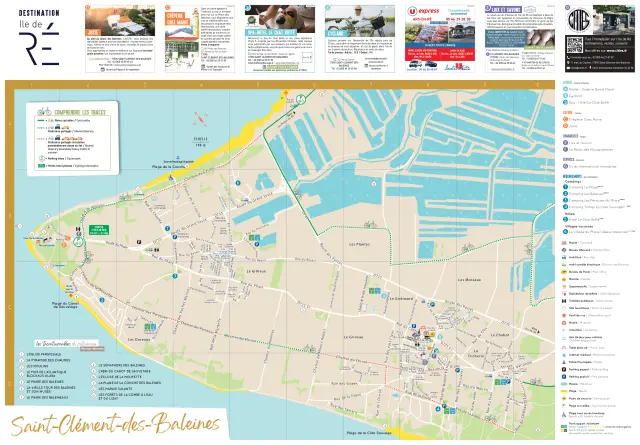
Saint-Clément-des-Baleines is a village made up of six hamlets at the western end of the Île de Ré. Dominated by the Phare des Baleines lighthouse, the village lies between the Côte Sauvage and the large sandy beach of the Conche des Baleines, on the edge of the forest.
Having preserved its agricultural and rural character, Saint-Clément boasts the island’s largest sandy beach, Plage de la Conche, as well as the most visited site: the Phare des Baleines, with its 160,000 annual visitors.
With a population of around 700, Saint-Clément became a commune in 1874. For a long time, the economy of Saint-Clément-des-Baleines was based on salt and vineyards.
The salt marshes, close to the Nature Reserve, form a link between the forest and the village.
🌅 THE BEACHES 🏖️
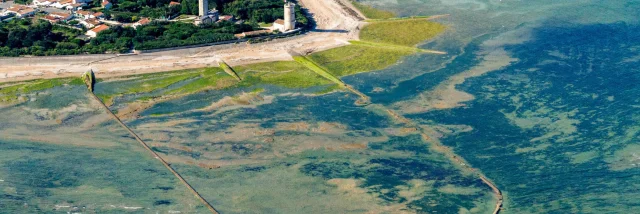
On the west coast of Saint-Clément-des-Baleines, as far as the lighthouse, is the Côte Sauvage beach. This beach is very rocky, and even at high tide is difficult to swim on. There are a few sandbanks around the lighthouse and fish locks at the tip. This beach is particularly good for fishing at low tide.
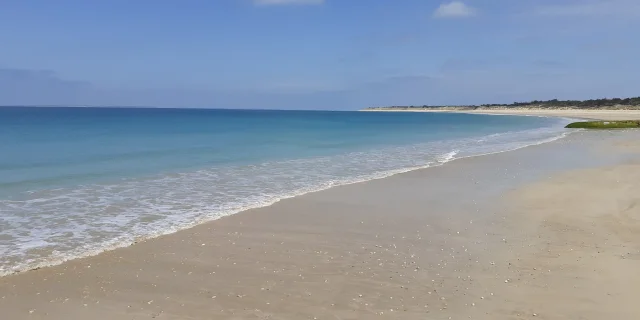
The Conche des Baleines beach begins at the Phare des Baleines lighthouse (but the area is rocky next to the lighthouse and is used more for fishing on foot) and ends at the Pointe de Lizay in Les Portes-en-Ré (the beach is known as Petit Bec). This beach is supervised in July and August. The beach is bordered by beautiful dunes with a few blockhouses.
THE HERITAGE
💡 THE PHARE DES BALEINES 🐋
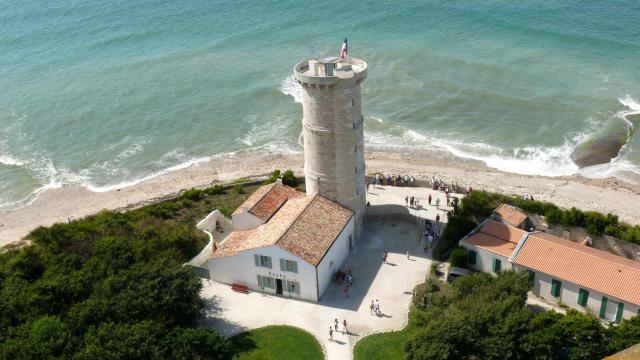
The northern tip of the Île de Ré bears the mark of the history of the many strandings it has witnessed. The Pointe des Baleines is named after the whales that beached themselves on its shores. Two ships ran aground on its rocks in the middle of the seventeenth century, and the decision was taken to build a lighthouse there to warn sailors of the danger it represented if they came too close. The lighthouse was given its historic name: the Phare des Baleines.
The great Whale Lighthouse was built in 1825 to enable all sailors approaching the island’s coasts to see a light wherever they were.
In 1849, construction began simultaneously on the present large lighthouse and a third-rate offshore lighthouse, the Haut Banc du Nord lighthouse, also known as the Baleineaux lighthouse, in the extension of the Phare des Baleines.
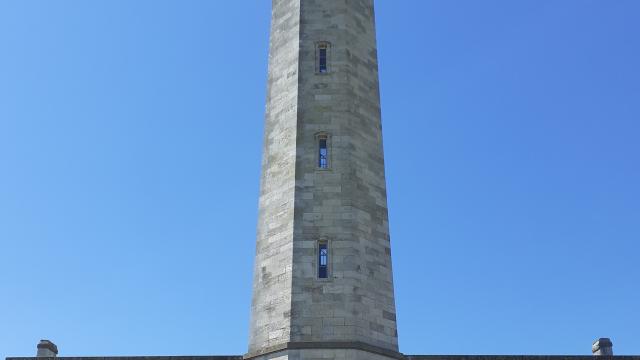
Lit in 1854, the Phare des Baleines operated on oil until 1882. It was then equipped with a steam power station around 1904. Finally, it was connected to the electricity grid after the Second World War. At 57 metres high, it is one of the highest lighthouses in France, with 257 steps to climb for a 360-degree panoramic view of the Conche and Côte Sauvage beaches, the national forest and the whole island!
With a range of 50 kilometres, it can be identified by the rhythm of its four white flashes every fifteen seconds. This makes it one of the most powerful lighthouses in France!
At the Musée du Phare des Baleines (Whale Lighthouse Museum) you can discover the fabulous story of the creation of lighthouses through multimedia sequences.
Open to visitors every day of the year.